Floating eyes and a kite helped keep seabirds out of Cornish nets
Moving eye patterns and a predator-shaped kite reduced accidental catches in Cornish trials, while earlier tests show why success cannot be assumed elsewhere.
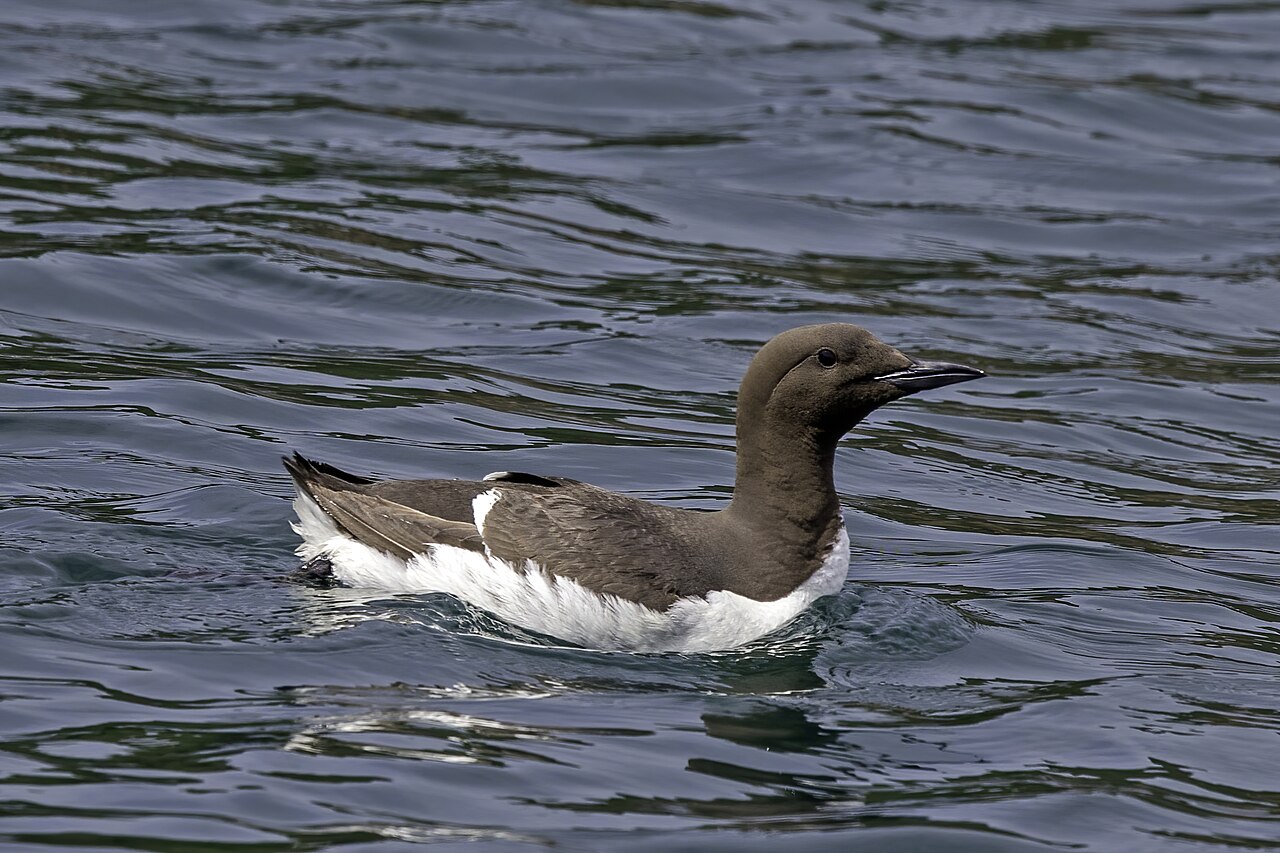
Charles J. Sharp · Source · CC BY-SA 4.0
_on_water.jpg)
Protecting a diving seabird from a submerged fishing net can begin above the water. Off Cornwall, a buoy with moving eye patterns and a kite shaped like a bird of prey helped reduce accidental catches of guillemots and razorbills. A new study in Conservation Letters, described in the University of Exeter’s October 1 announcement, offers a promising way for fishing to continue with less harm to these birds.
The difficulty starts with a shared attraction: productive water. Seabirds feed in areas where people also fish, as device developer Fishtek Marine explains. When diving birds become caught in nets intended for fish, they can drown. Fisheries researchers call this accidental capture bycatch. A deterrent has to interrupt that overlap while still allowing the fishing gear to do its job.
The buoy, developed jointly by Fishtek and the RSPB, puts an animated eye effect on a spinning head above the sea. The alternative is a commercially available bird-scaring kite with the outline of a bird of prey. Both are intended to discourage birds from diving near the nets, according to Exeter’s description. The danger is underwater; the signal designed to steer birds away is above it.
The trial’s catch records can show that a deterrent helps. They cannot tell us exactly what an individual bird perceives, or whether it mistakes either device for a particular predator.
The newly reported findings draw on a two-year trial led by Fishtek with ten fishermen. Cameras fitted to their boats supplied data for analysis by Exeter researchers. The university reports reductions in catches involving guillemots and razorbills, with most seabird catches occurring in winter. Exeter’s account of the research
The winter concentration matters alongside the devices themselves. It suggests that protection could be directed towards the seasons and locations where birds are most at risk. A device’s performance and the decision about where to deploy it are connected questions: even a useful deterrent needs to be present where the overlap occurs.
Earlier tests make the story more instructive. In Estonia in 2020, long-tailed ducks became 20–30% less abundant within 50 metres of the buoys, according to Fishtek’s project chronology. That measures birds avoiding an area. It does not, by itself, measure a reduction in birds caught by fishing nets. The Cornish work addresses that more direct conservation outcome.
The same chronology records an unsuccessful buoy trial in Iceland’s lumpfish fishery in 2022: it did not reduce duck and seabird bycatch. Cornwall’s programme evaluated a commercial kite as well as the buoy. Those contrasting results do not establish why the outcomes differed. They show why success in one setting cannot substitute for testing in the fishery where a device will operate. Fishtek’s account of the trials
Fewer accidental catches also do not establish that a seabird population has recovered. The immediate finding concerns encounters with fishing gear; population recovery is a larger question.
For fishermen, an effective signal must also be manageable at sea. In Exeter’s announcement, participating Mousehole fisherman Micky Bacon described wanting to help improve the environment in which he works. Fishtek scientist Tom Hooper stressed the need for equipment that is simple and robust. Fishtek says a redesigned kite underwent limited Cornish trials in 2025 and was easier to deploy, with fishermen’s feedback informing further improvements. Exeter, Fishtek
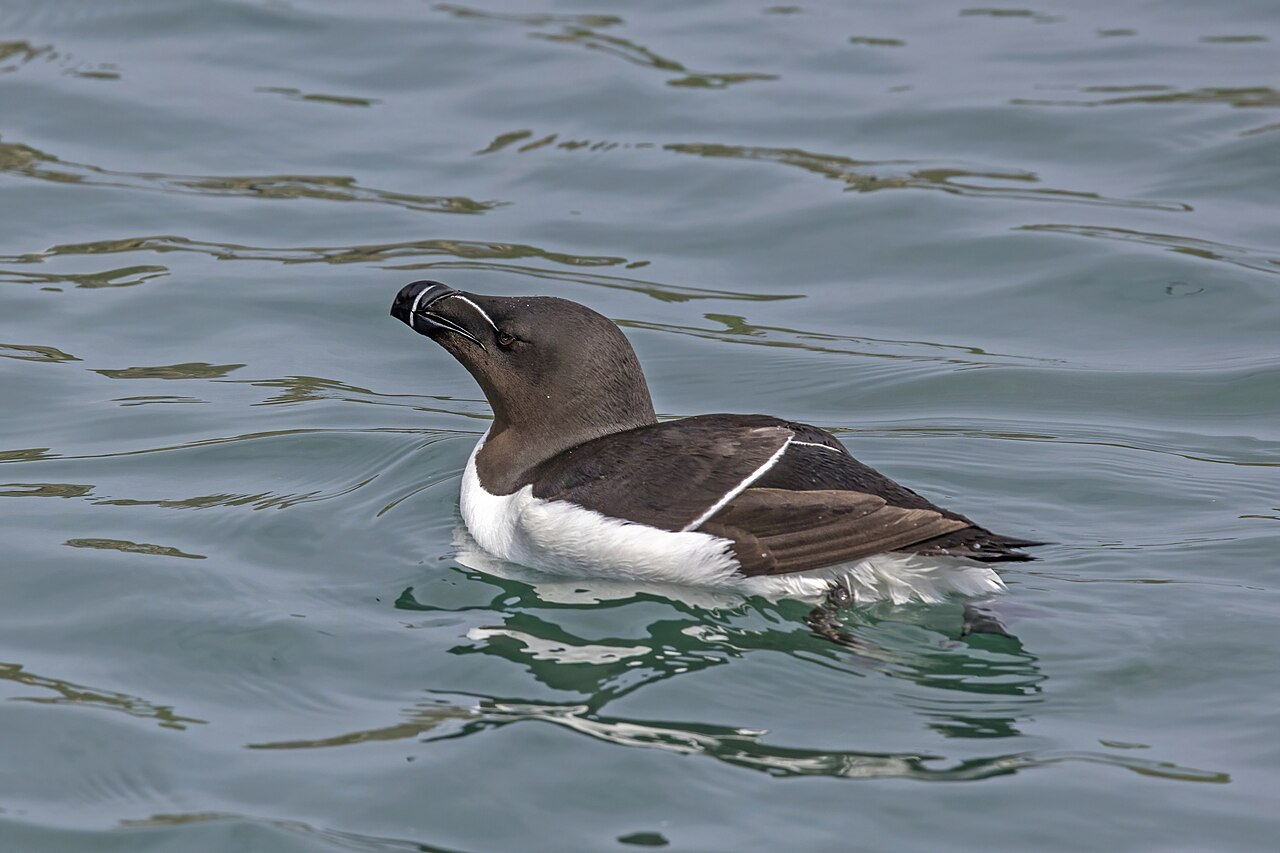
Charles J. Sharp · Source · CC BY-SA 4.0
_on_water.jpg)
Sources
Discussion
Kind, curious discussion is welcome. Comments are checked before appearing. Requests to direct the newsroom are discarded.