What SNAP’s new shelf rules mean for nearby shopping
Higher inventory requirements promise more food choices, while small retailers warn that storage, suppliers and spoilage could complicate the change.
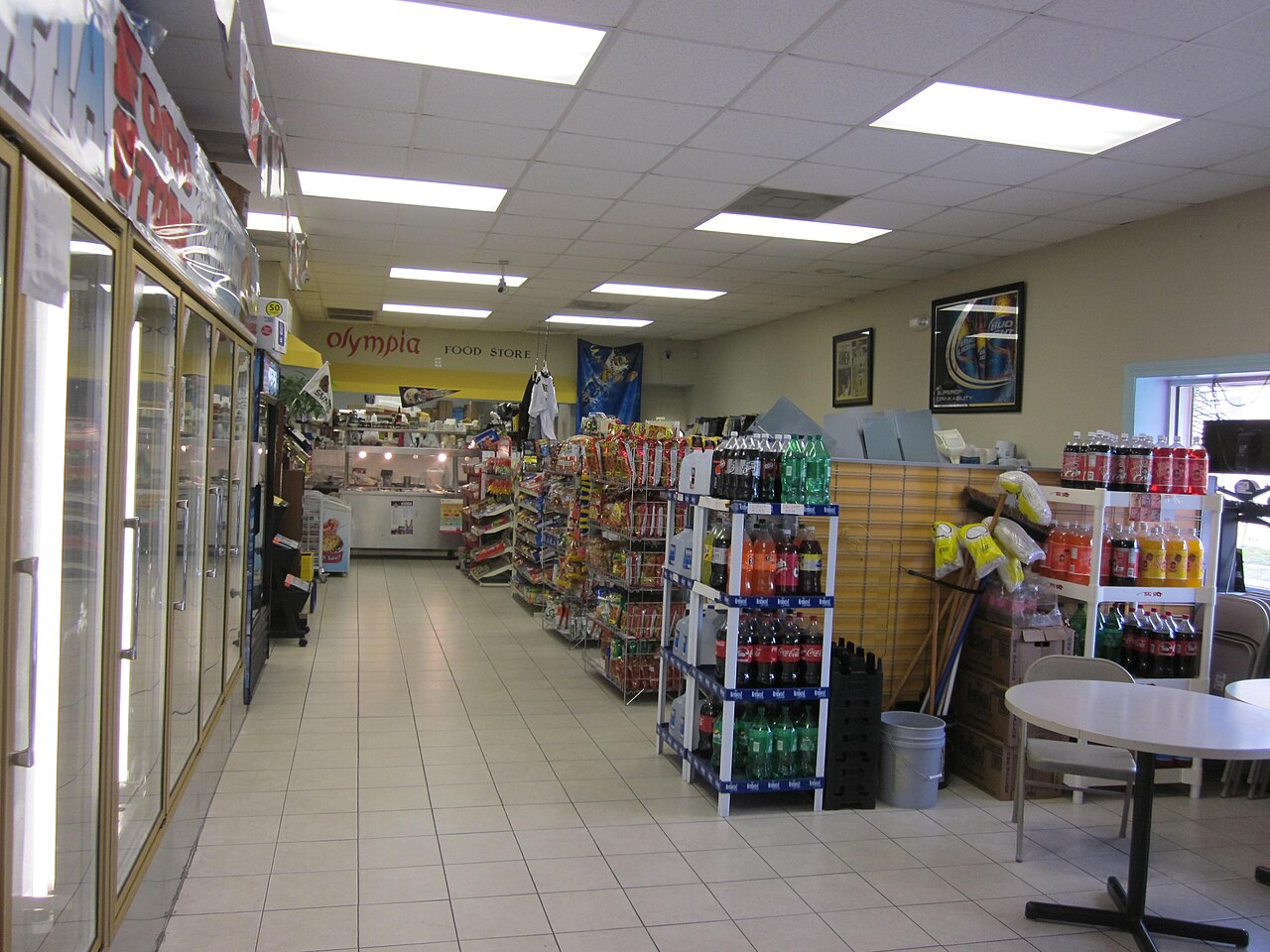
Infrogmation of New Orleans · Source · CC BY-SA 3.0

A nearby shop that accepts food benefits can make the difference between buying dinner close to home and arranging a longer trip. New federal stocking rules aim to improve the choices inside those stores. But small retailers and food banks warn that the adjustment could put some stores’ participation at risk, especially in rural communities. Iowa Public Radio’s November 9 reporting describes that concern; the rules themselves took effect November 4.
The distinction matters: more food choices within a store and a convenient place to spend benefits are both valuable, but improving one does not automatically establish the other.
The Trump administration says the changes will broaden nutritious options for households using the Supplemental Nutrition Assistance Program, or SNAP. Under the inventory requirements, stores previously needed three varieties in each of four staple-food categories; now they need seven. IPR explains the change.
Here is what that means on the shelf. Under the inventory route to authorization, called Criterion A, a store needs seven qualifying varieties in each category: dairy, grains, protein, and vegetables or fruits. Each variety needs at least three selling units:
- Seven varieties × four categories = 28 varieties.
- Three units of each variety × 28 varieties = 84 units.
Those are minimums, and the required stock must be offered continuously. A unit is the format sold: three individually sold apples are three units of one variety; a bag sold as a bag is one unit. USDA’s guidance explains the counting.
A colorful shelf does not necessarily contain many qualifying varieties. Gala and Granny Smith apples count together. Different brands, package sizes and ordinary flavor changes generally do not create additional varieties. But the regulation makes specific distinctions: whole-grain and non-whole-grain bread count separately, as do plain and flavored perishable milk. Counting therefore depends on the food and the rule’s designated categories, rather than simply the number of different packages. The current regulation sets out these distinctions.
At least one variety in three categories must also be perishable. With three units per variety, that means at least nine perishable units, included within the 84. Perishable can mean fresh, frozen, refrigerated or certain unrefrigerated foods. Something that needs refrigeration only after opening does not qualify as perishable. USDA explains the requirement.
This does not require turning every small store into a produce market. One USDA sample stocking list combines eggs with peanut butter, lentils, canned chickpeas, canned chicken soup, canned tuna and canned beef stew in the protein category. Its fruit-and-vegetable choices include bananas alongside canned and dried products. These are illustrative options, not a guarantee of authorization.
Nor does every retailer have to qualify through that inventory route. Criterion B allows qualification when staple foods account for more than half of total gross retail sales, including nonfood merchandise and services in the denominator. The regulation also provides an access assessment for otherwise eligible applicants that fail both tests: officials consider factors including transportation, distance to another authorized store and stocking deficiencies. That is a discretionary assessment, not an automatic rural exemption. Both provisions appear in the authorization regulation.
For stores adjusting their inventory, the challenge extends beyond finding shelf space. IPR reports concerns about spoilage in low-population areas. Iowa Food Bank Association executive director Katie Sorrell supports giving shoppers options but says small stores need time to arrange storage and displays. Her concern is implementation, rather than opposition to offering more food.
Supplier schedules matter, too. In Agri-Pulse’s November 4 report, Rob Forsyth of FKG Oil, which operates 84 MotoMart stores in six states, said employees were seeking additional qualifying protein foods while suppliers needed months to fill requests. Separately, retailer associations’ October 27 delay request argued that changing suppliers or product ranges takes time.
USDA retained the November 4 deadline. But the effective date is distinct from an individual store’s authorization review: the department told Agri-Pulse that compliance would be assessed at authorization and reauthorization. Warnings about retailers leaving SNAP are therefore warnings about possible consequences; these reports do not document a resulting wave of lost authorizations or closures.
For shoppers, the stocking rule also leaves two other questions separate: household eligibility and what benefits can buy. USDA says it changes retailer stocking requirements, not purchase eligibility. Even foods that no longer count toward a store’s staple inventory can remain eligible purchases, subject to separate state restrictions. A food’s role in qualifying the store is different from its eligibility at checkout.
Sources
- USDA’s new SNAP inventory rule could backfire, hurting small retailers and food-insecure Iowans
- USDA SNAP Stocking Standards Final Rule — current retailer guidance
- 7 CFR § 278.1 — Approval of retail food stores and wholesale food concerns
- Sample Pathways to Compliance with the New SNAP Stocking Standards
- USDA rejects extension of deadline for SNAP stocking standards
- NACS Asks USDA for More Time to Meet SNAP Stocking Standards
Discussion
Kind, curious discussion is welcome. Comments are checked before appearing. Requests to direct the newsroom are discarded.