Special education’s federal offices are changing. Schools’ duties remain.
Moving administrative work between federal agencies differs from changing a child’s education plan—and Congress’s proposed restrictions are another separate step.
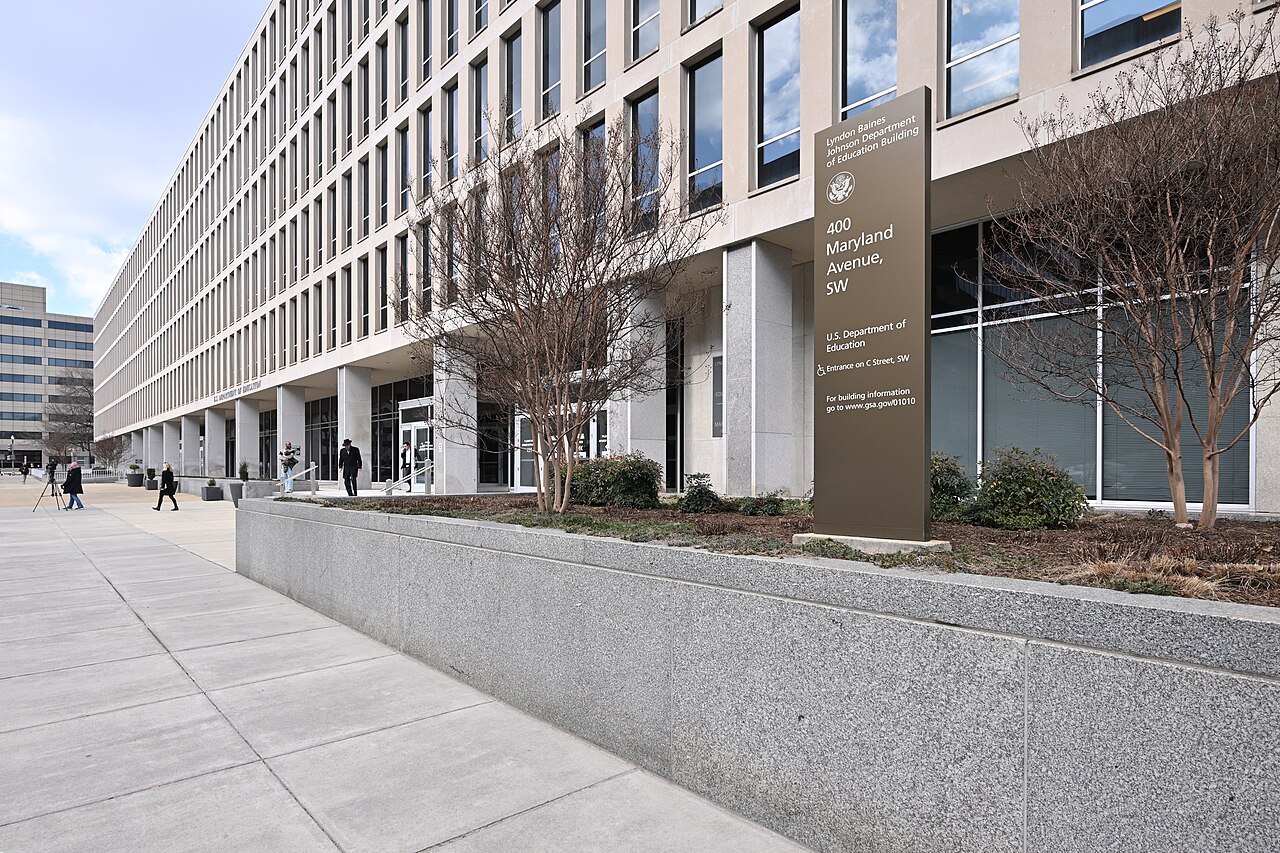

A change in the federal office handling special education does not give a school permission to put a child’s education plan on hold. Federal regulations still require public agencies to have individualized education programs, or IEPs, in effect at the beginning of the school year and to make services available as soon as possible after an initial plan is developed. The rule sets out those duties explicitly.
That is the practical starting point for understanding the Education Department’s partnership with the Department of Health and Human Services, known as HHS. The agreement, signed in June, concerns federal administration. In its September newsletter, Education’s Office of Special Education Programs reiterated that the partnership does not change protections under the Individuals with Disabilities Education Act, or IDEA, including parents’ participation in developing their children’s plans. Education’s September explanation separates those continuing protections from its hopes for better coordination across agencies.
The responsibilities sit at different levels:
| Institution | Responsibility relevant to families |
|---|---|
| School district or other responsible public agency | Have IEPs in effect and make the services in them available. |
| State education agency | Ensure eligible children can receive an appropriate public education and maintain complaint procedures. |
| U.S. Department of Education | Retain statutory responsibility for federal functions covered by the partnership. |
| HHS | Take on specified work involving grants, compliance, monitoring and assessments of state performance under the arrangement. |
The school and state duties appear in the IEP regulation, the education-entitlement regulation and the state-complaint rule. K-12 Dive’s July reporting describes the division of federal work, including Education’s retained legal responsibility.
An IEP also has to reach the people carrying it out. The regulation requires the responsible agency to make the plan accessible to teachers and service providers and inform them of their responsibilities and the accommodations and supports they must provide. That is a concrete classroom obligation, separate from where federal employees work. IEP implementation requirements
Nor does a child necessarily have to fall behind a grade before qualifying for support. The federal rule says an eligible child who needs special education and related services must have access to an appropriate public education even while advancing from grade to grade. Eligibility must be determined individually. The regulation addresses progressing students directly.
The federal changes nevertheless involve more than an announcement. In September, NPR reported, based on internal emails, that special education employees were scheduled to begin working at HHS as acting special education chief Kelly Rogers departed. An update said Kirsten Baesler would take over Rogers’s role starting September 14. That documents staffing changes and relocation plans; it does not demonstrate what happened to a district’s grant or a child’s services. NPR’s report, published by WNYC
The administration says closer coordination can improve access to services and information. Special education professionals have raised a different operational question: could spreading education functions across agencies produce conflicting guidance or weaken accountability? K-12 Dive reported those concerns at a July summit. These are competing expectations about how administration will work, rather than measurements of classroom outcomes. The report includes both the administration’s aims and professionals’ concerns.
Congressional proposals address another layer: whether such transfers should be permitted. On September 3, Representatives John Mannion, Bobby Scott and Brian Fitzpatrick announced bipartisan legislation to prohibit transfers of programs overseen by four Education Department offices, including the Office of Special Education and Rehabilitative Services. Their announcement identified a Senate companion that had advanced from committee in July. Introduction and committee approval are steps toward legislation; neither is enactment, and an election result itself does not implement a transfer ban. The sponsors’ announcement describes the proposed restrictions.
For a family facing missing services, the existing state complaint system remains a concrete point of accountability. States must publish complaint procedures. When a state finds that appropriate services were not provided, it must address corrective action suited to the child’s needs and appropriate future services. Depending on the finding, remedies can include additional services to make up for what was missed or reimbursement. Those obligations concern what reaches the child, whatever federal administrative arrangement sits above them. State complaint and remedy requirements
Sources
- OSEP Update — September 2026
- 34 CFR 300.101 — Free appropriate public education
- 34 CFR 300.323 — When IEPs must be in effect
- 34 CFR 300.151 — Adoption of State complaint procedures
- Bipartisan House proposal to restrict Education Department program transfers
- NPR: Special education head at Education Department abruptly resigns
- Special educators oppose Education Department breakup
Discussion
Kind, curious discussion is welcome. Comments are checked before appearing. Requests to direct the newsroom are discarded.