COP31’s electricity pledge: what 35% measures—and how to judge progress
The voluntary global goal measures electricity’s place in everyday energy use, while cleaner power, affordable bills and reliable connections need separate evidence.
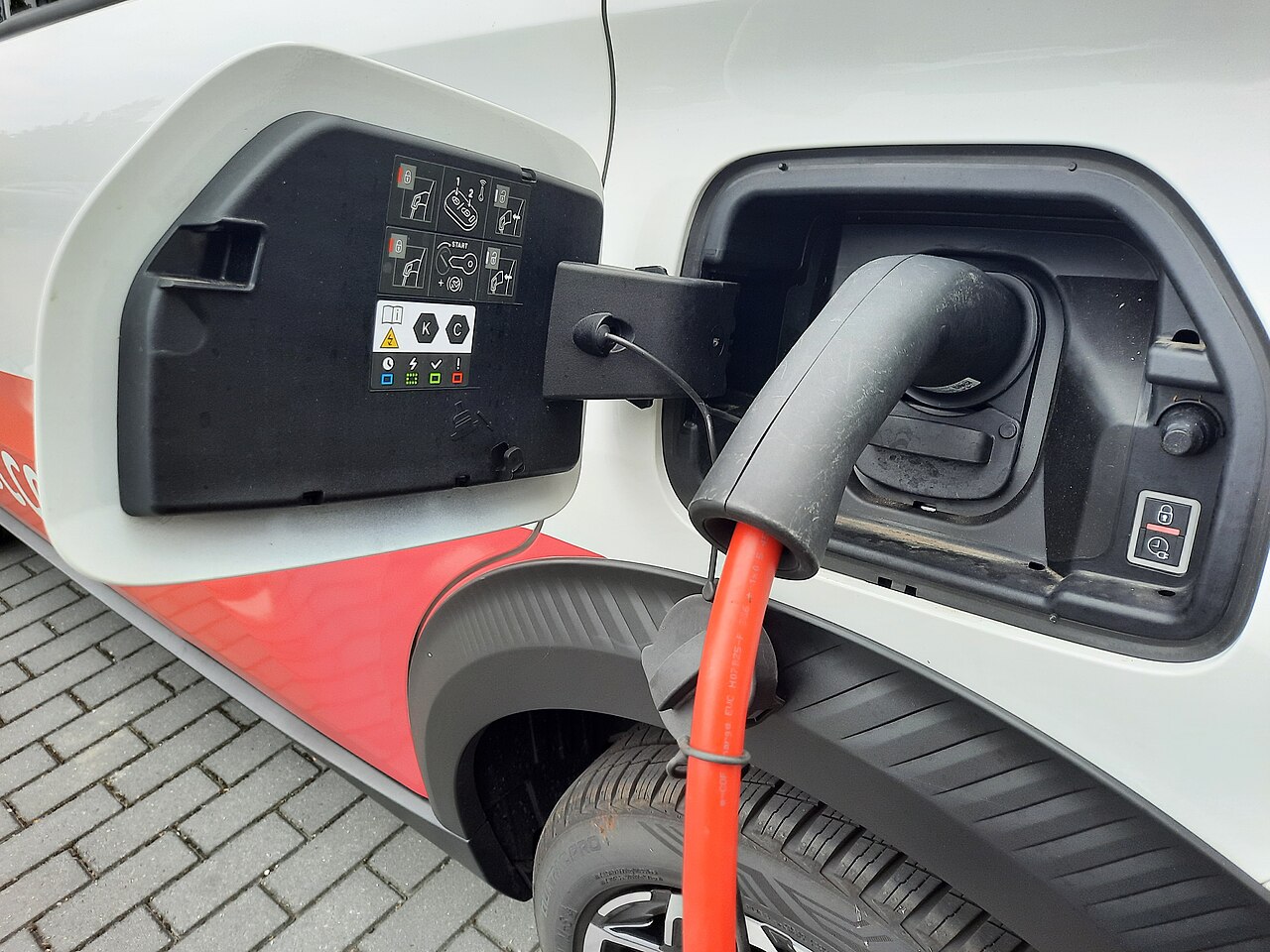

An electric car needs somewhere to charge. A home switching to electric heating needs equipment, a working connection and dependable power. COP31’s flagship electricity pledge points toward more of those everyday activities running on electricity—but its headline percentage cannot tell a household whether the change will be affordable or reliable.
The Turkish COP31 presidency’s “35-by-35” pledge sets a collective ambition: electricity should supply 35% of the world’s final energy consumption by 2035. Understanding what that number counts helps separate the ambition from the work needed to deliver it.
Final energy is the energy used across activities such as transport, buildings and industry. Electricity’s share of that total is different from the share of electricity generated by wind, solar or other sources.
Imagine a hypothetical world energy budget of 100 units:
| Energy reaching users | Units |
|---|---|
| Electricity | 35 |
| All other energy combined | 65 |
| Total | 100 |
This illustrates the target’s proportions. It is not a forecast of how much energy the world will need. The table also says nothing about how the 35 electricity units were generated, or which fuels make up the remaining 65.
Nor does the pledge require every country to reach 35%. Its institutional issuer, the COP31 presidency, describes a global objective, with participating governments retaining authority over their own policies and pathways. Countries have different starting points; a collective percentage is not an identical national instruction.
Electric vehicles and heat pumps are examples of the shift described in Climate Home News’s November 5 briefing, updated November 6. That briefing also identifies a consequential limitation: the pledge does not require all electricity to come from clean sources.
The text does mention sustainable energy sources and presents electrification as complementary to expanding renewable energy and improving efficiency. Those provisions matter, but they do not make the electricity share a measurement of emissions reductions. A rising share alone cannot establish cleaner power, cheaper bills or greater reliability.
The presidency’s September launch announcement identifies clean power, storage and modern grids as supporting infrastructure. The pledge names both transmission—the networks carrying electricity over distance—and distribution, which delivers it locally. It also calls for finance, particularly for developing economies.
For households, those priorities translate into concrete questions. Can a charging connection be installed? Is the network serving a building ready for its proposed electrical equipment? Has promised investment produced an operating project?
A practical assessment keeps three things separate:
| What is being assessed | Evidence to look for |
|---|---|
| The ambition | Verified government endorsements and the national plans that follow |
| The enabling system | Completed connections, operating generation and storage, and financing actually delivered |
| The result for users | Equipment in service, household bills and reliability records |
These are checks on future delivery, not outcomes demonstrated by the pledge. A promise to mobilise finance does not establish that a project has been funded or completed. This reporting has not established a verified list or count of participating governments.
The chronology also matters. The presidency published both the pledge text and its New York launch announcement on September 21; they are earlier initiatives heading into the conference. COP31 is scheduled for November 9–20 in Antalya. UNFCCC, the institutional conference source, scheduled the formal opening for November 9 at 10 a.m. local time, or 07:00 UTC; that schedule does not establish that the plenary occurred.
In a preview published late on November 8 UTC, Reuters, hosted by Devdiscourse, reported Singapore environment minister Grace Fu’s November 6 assessment that major stronger emissions targets were unlikely, while existing agreements offered substantial implementation work. Those were expectations, not conference results.
The voluntary pledge also remains distinct from any decision negotiated by conference parties, as Le Monde’s preview explains. When announcements follow, the useful household test is specific: what has been connected, what is operating, and what do bills and reliability records show?
Sources
Discussion
Kind, curious discussion is welcome. Comments are checked before appearing. Requests to direct the newsroom are discarded.