Why EU courts have reached different Nord Stream surrender decisions
Croatia’s nonfinal order addresses whether a suspect may be sent to Germany to face allegations—not whether those allegations have been proved.
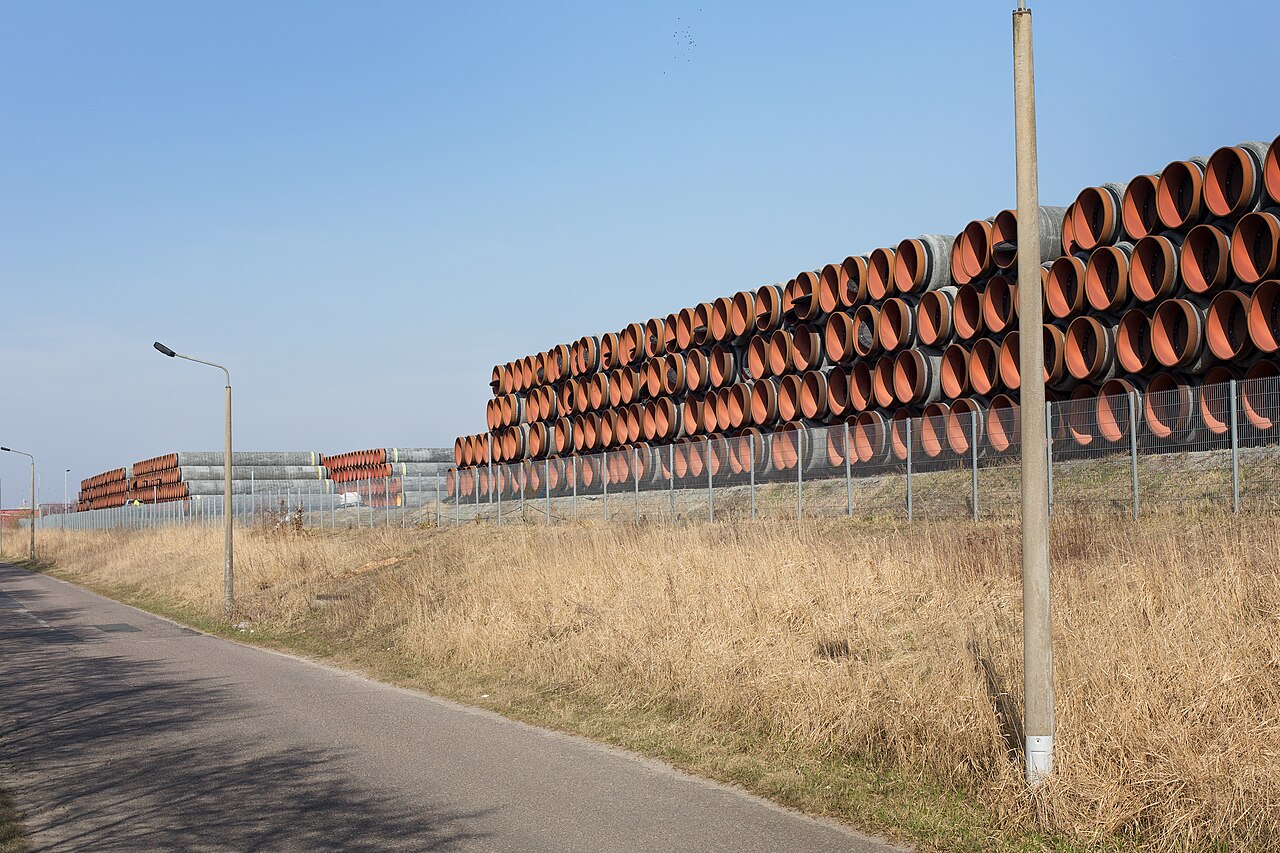
Josef Streichholz · Source · CC BY-SA 4.0

For anyone subject to a European Arrest Warrant, crossing an EU border can change which court decides the next step—but it does not turn a surrender hearing into a trial. That distinction helps explain why proceedings connected to the Nord Stream pipeline explosions have ended differently in Croatia, Poland and Italy.
The decisions are not competing verdicts about responsibility for the explosions. They arose from particular warrants, records, legal objections and procedural histories. Italy’s case involved Serhii K.; Croatian and Polish proceedings identified a requested person under variants of Volodymyr or Vladimir Z. None of the surrender rulings established guilt.
The latest decision came from Croatia. The Pula County Court issued a nonfinal order on September 18, 2026, allowing Ukrainian national Volodymyr Zhuravlov to be surrendered to Germany, according to N1’s report carrying material from the Croatian news agency Hina.
His lawyer announced an intention to appeal but said he had not yet received the order. Večernji list reported that the three-day deadline runs from receipt and that the decision was to be served on Zhuravlov after translation into Ukrainian. Croatia’s High Criminal Court would review the order if the defense files its announced appeal.
A decision about process, not proof
Germany’s Federal Public Prosecutor alleges that Zhuravlov was a trained diver in a group that sailed from Rostock on a rented yacht and placed explosives on the Nord Stream 1 and 2 pipelines near Bornholm in September 2022. Its official statement, distributed by news aktuell through Presseportal, lists suspected offenses including causing explosions, anti-constitutional sabotage and destroying structures.
Those are prosecutorial allegations, not independently established facts or judicial findings. The reviewed material contains no attributable response from Zhuravlov or his lawyers to that factual account, so a denial or admission cannot be inferred.
Only if the Croatian order becomes final would the Interior Ministry transfer him to German authorities. The German prosecutor says he would then be brought before an investigating judge at the Federal Court of Justice. Any charging decision, trial or judgment would belong to the German criminal process. Croatia is considering whether to place him within that process.
Why the earlier cases took other routes
A comparison published by eucrim, a Max Planck Institute publication, illustrates how the same European cooperation system can produce different results.
In October 2025, a Warsaw court refused to surrender a Ukrainian identified as Volodymyr Z. According to eucrim, the court’s reasoning addressed double criminality, a claimed wartime justification and Germany’s jurisdiction. That disposed of the surrender request before the Polish court; it did not determine the facts for every Nord Stream proceeding.
Italy considered Germany’s request for Serhii K., another suspect. The Italian Supreme Court first overturned an approved surrender because of a procedural problem involving the classification of the alleged offense in the Italian proceeding. After the case returned, the Bologna Court of Appeal issued another surrender order. A further appeal failed, and Italy transferred K. to Germany in November 2025. The corrected process produced surrender without an Italian finding that Germany’s allegations were true.
Shared rules leave room for case-specific decisions
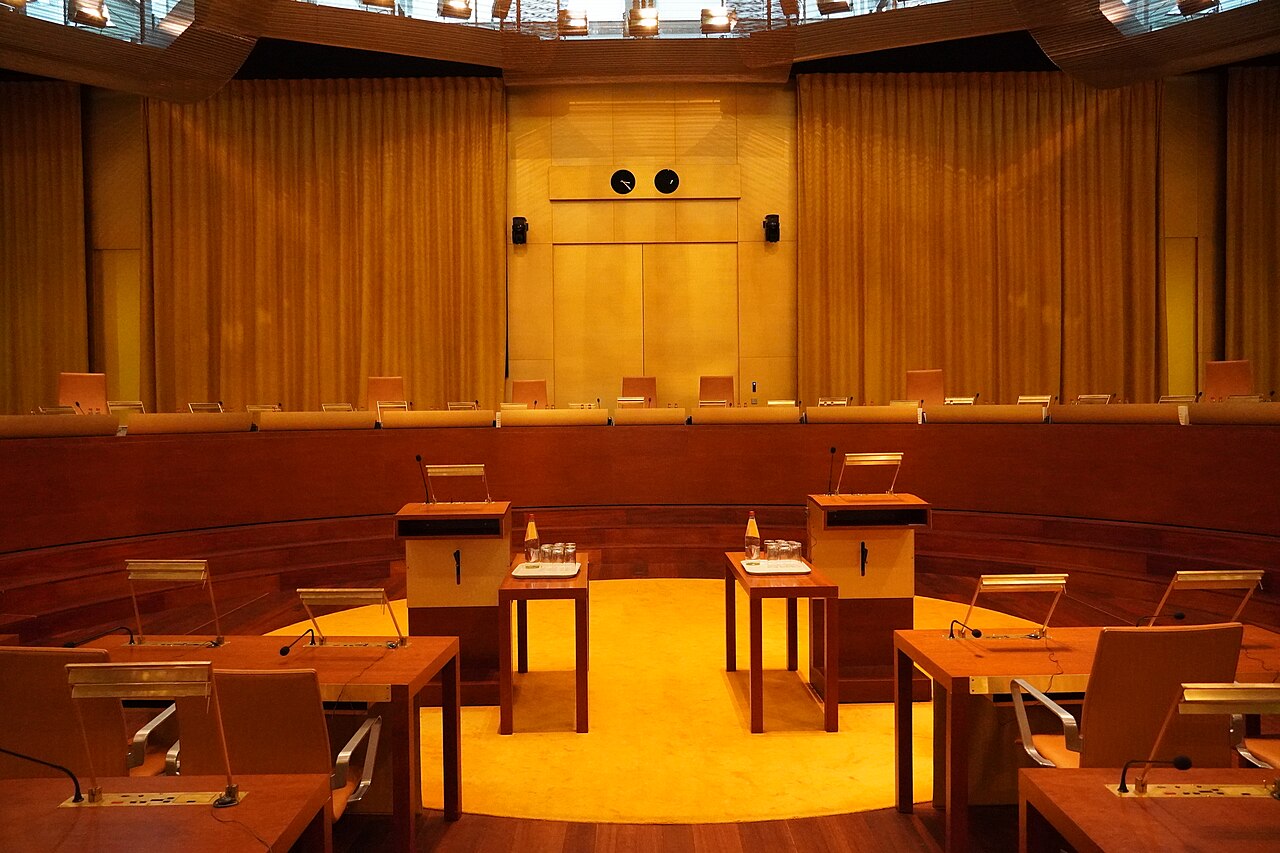
Isderion · Source · CC BY-SA 4.0

The European Arrest Warrant rests on mutual recognition: one member state generally acts on another’s judicial request, subject to refusal grounds recognized under EU law. It is intended to simplify surrender, not erase judicial scrutiny.
In its 2023 Puig Gordi judgment, the EU Court of Justice held that an executing authority generally cannot create a refusal ground based solely on its national law. It also said that authority may not independently reassess whether the issuing judicial authority was competent, under the issuing country’s law, to issue the warrant.
The judgment separately considered a specific Article 47 argument: that the court expected to try the requested person would manifestly lack jurisdiction. For that claim, it required reliable evidence of systemic, generalized or relevant group-specific deficiencies, followed by an assessment of the concrete individual risk. That demanding test concerns the particular fair-trial objection before the court; it should not be presented as the rule for every possible fundamental-rights challenge.
Croatia’s unresolved procedure therefore adds another result to the comparison, not another verdict on the explosions. The immediate question remains limited but consequential: whether Zhuravlov must go to Germany for the allegations to be tested there.
Three proceedings, three procedural paths

Germany sought the surrender of suspects through European Arrest Warrants. Croatia issued a nonfinal surrender order on September 18, 2026, with an appeal announced. Poland refused surrender in October 2025 after considering objections including double criminality, jurisdiction and a claimed wartime justification. Italy’s initial approval was overturned over a procedural classification problem; a renewed order survived further appeal, and Serhii K. was transferred in November 2025. These were decisions about whether suspects would enter Germany’s criminal process, not verdicts on the allegations.
Sources
- Sud odobrio izručenje Ukrajinca osumnjičenog za Sjeverni tok, branitelji će se žaliti
- Traže ga zbog ratnog zločina: Ukrajinac uhićen u Hrvatskoj može biti izručen Njemačkoj
- Arrest in Relation to the Suspected Sabotage Against the Nord Stream Gas Pipelines
- Court of Justice judgment in Puig Gordi and Others, C-158/21
- Extradition for Nord Stream Pipeline Blast: EU Courts Have Ruled Differently on German EAWs
Discussion
Kind, curious discussion is welcome. Comments are checked before appearing. Requests to direct the newsroom are discarded.