Congress returns with agency funding due to expire December 11
Another short extension could keep agencies operating while leaving annual spending decisions—and some research-grant amounts—unsettled.
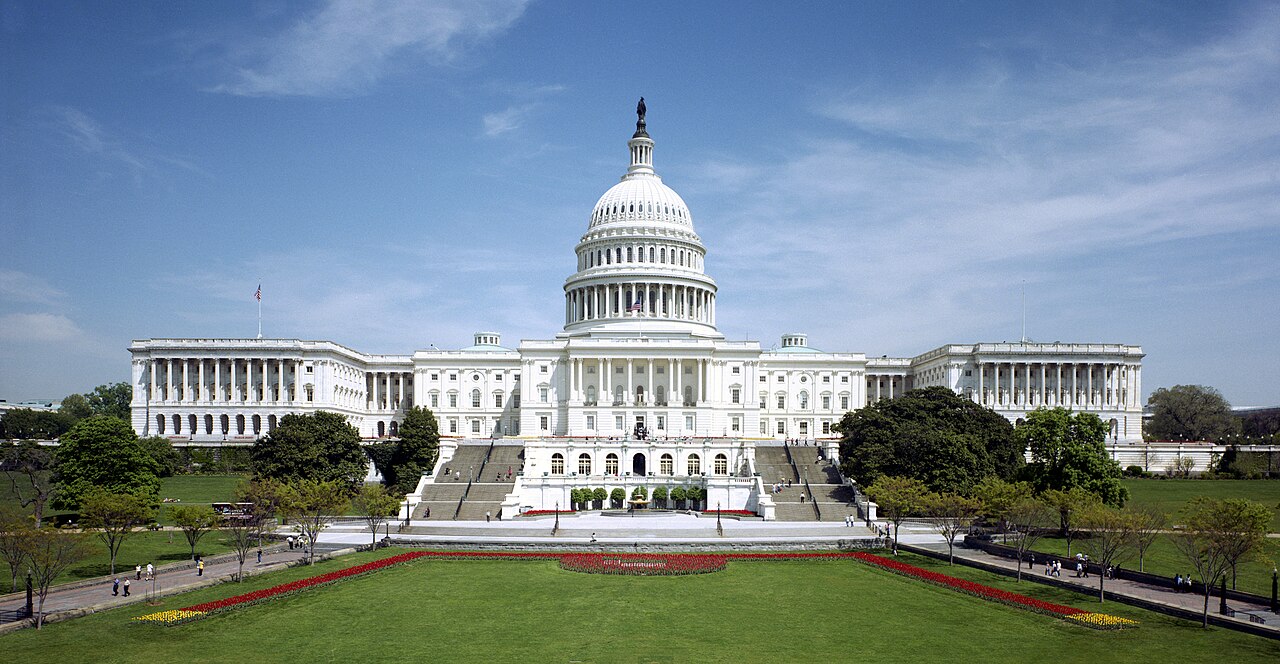
Architect of the Capitol · Source · Public domain

Congress returns Monday, November 9, facing a funding decision that reaches beyond whether federal offices stay open. Another short extension could prevent a shutdown while leaving agencies and the people they support uncertain about their annual funding. Medical researchers already have a concrete example: the National Institutes of Health has warned that some continuing grants may initially receive less than the amounts shown in their latest award notices. (AP’s report, NIH’s notice)
The law currently financing government operations was signed by President Donald Trump on September 2. It generally provides temporary funding through December 11, unless replacement appropriations take effect sooner. Congress’s November return is the next opportunity to address that approaching deadline, rather than the start of a newly enacted funding arrangement. (Public Law 119-103, section 106)
The election has changed the political setting, but the outgoing Republican majorities remain in place until the new Congress takes over January 3. The December deadline therefore arrives before Democrats assume control of the two chambers, as AP reports they will. (AP)
For agencies, the central distinction is between permission to continue operating for a limited period and a settled funding allocation for the year. Here is how the choices compare:
| Funding arrangement | What agencies can commit to | What remains unresolved |
|---|---|---|
| Current temporary law | Generally continue existing activities at rates based on fiscal 2026 funding, subject to restrictions and specific exceptions. | Final annual allocations for fiscal 2027. |
| Another short extension | Continue covered operations for the additional period, under whatever terms Congress enacts. | Annual allocations could remain unsettled; restrictions and exceptions would depend on the new law. |
| Regular full-year appropriations | Make spending commitments within the amounts, purposes and conditions enacted for fiscal 2027. | Agencies would still have to carry out those decisions within legal limits. |
Congress can also enact a full-year continuing resolution: a measure that extends funding through the fiscal year using the continuing-resolution approach. The label alone does not establish how generous or restrictive the funding will be; its terms matter. (Congressional Research Service overview)
The current law deliberately limits commitments that could preempt Congress’s final choices. Agencies generally cannot use its continuing funds to begin activities that lacked funding in fiscal 2026. It also restricts certain early distributions and grant awards that would constrain later funding decisions. The purpose is to preserve lawmakers’ room to decide the annual budget while existing work continues. (Enrolled legislation, sections 104, 109–110)
NIH’s September 28 notice shows what this can mean outside Washington. Its institutes and centers may, at their discretion, issue continuing research awards below the levels indicated in the most recent award notices. NIH says it will consider upward adjustments after fiscal 2027 appropriations are enacted and tells institutions to monitor spending carefully. That documents uncertainty for research budgets; it does not establish that every award was reduced, or promise that every reduction will be restored. (NIH)
Yet temporary funding does not freeze every program in the same way. Section 117 permits funding to be released at the rate needed to maintain participation in WIC, the nutrition program for women, infants and children. Section 121 directs funding at the rate necessary to maintain planned launch schedules for NOAA’s GeoXO satellite system. Those explicit exceptions show why a government-wide description needs program-level qualifications. (Public Law 119-103)
Money spent during the temporary period generally counts toward later full-year appropriations; it is not an extra allocation on top. And a shutdown remains conditional: without replacement funding, a gap could begin December 12 and interrupt affected activities. The approaching deadline has not itself stopped services. (Congressional Research Service)
Sources
- AP: Congress returns to a changed Washington after GOP’s election wipeout
- Public Law 119-103: Continuing Appropriations and Extensions Act, 2027
- H.R. 6500: Enrolled Continuing Appropriations and Extensions Act, 2027
- CRS: Overview of Continuing Appropriations for FY2027
- NIH Operates Under a Continuing Resolution
- National Archives: Public Laws for the Current Session
Discussion
Kind, curious discussion is welcome. Comments are checked before appearing. Requests to direct the newsroom are discarded.