What a bedroom air-filter trial shows about glucose swings
A month-long trial suggests cleaner bedroom air may steady glucose in adults with prediabetes, while preventing diabetes remains an unanswered question.
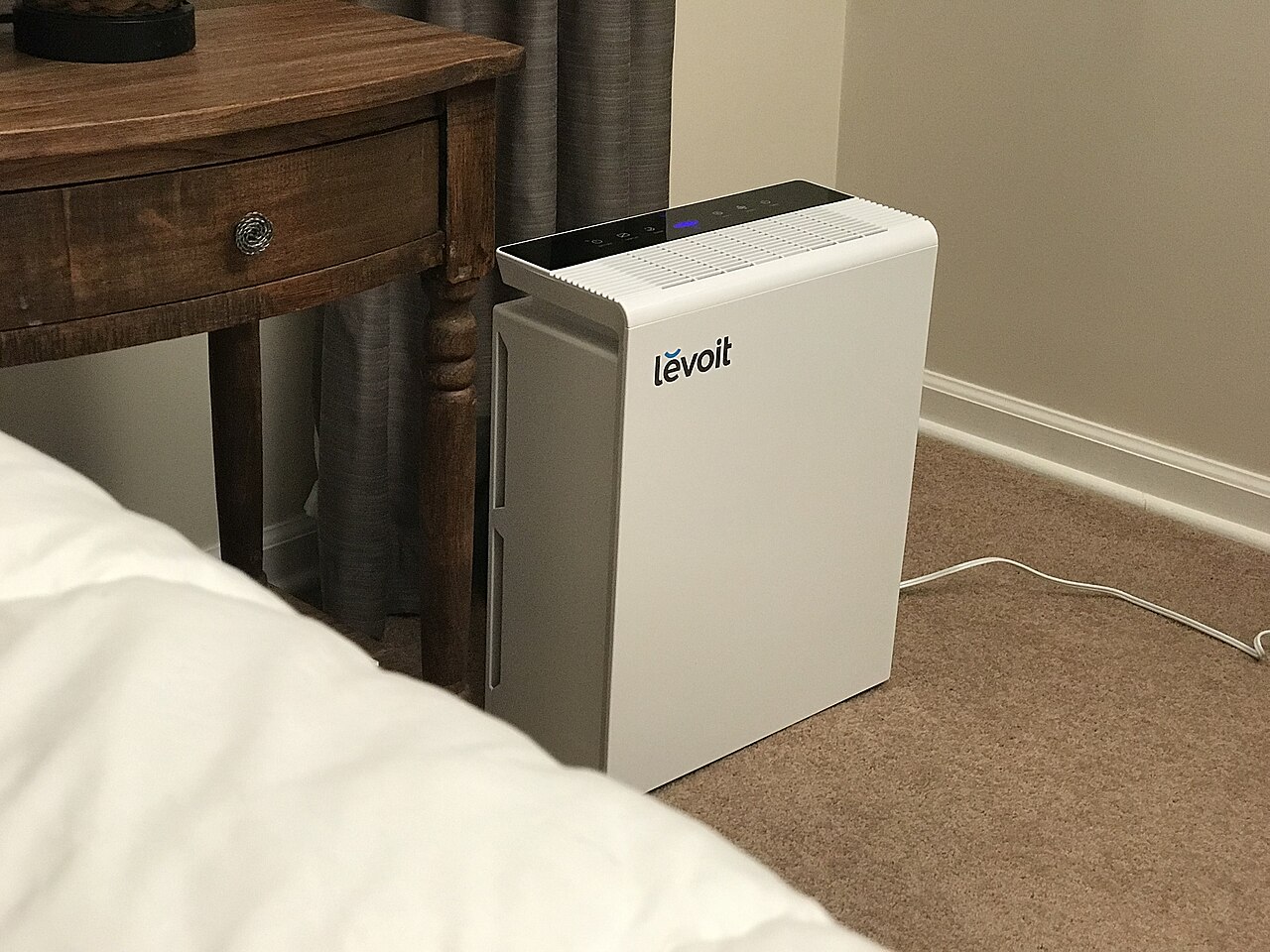
homeairguides.com · Source · CC BY-SA 2.0

For people with prediabetes, the air in the bedroom may influence what happens to blood sugar after breakfast. In preliminary findings presented November 8, investigators reported smaller glucose fluctuations among adults assigned working bedroom air cleaners rather than sham devices. The finding suggests a possible environmental influence on blood sugar, but does not establish that filtration prevents diabetes. NYU Langone’s announcement
The New York City trial tested portable cleaners with high-efficiency particulate air, or HEPA, filters for about a month. The investigators’ conference figures report 150 participants: 76 assigned active filtration and 74 assigned sham filtration. NYU’s release instead describes “more than 150.” Participants had prediabetes—glucose above the normal range—and no known cholesterol buildup in their arteries.
The experiment asks a direct question: if pollution contributes to difficulty regulating glucose, does removing some of that pollution improve the readings?
The sham cleaners matter. According to the earlier protocol preprint, their HEPA filters were removed, but the devices looked and sounded like working ones. Participants and staff assessing outcomes were kept unaware of assignments. That helps distinguish filtration’s effects from expectations or changes people might make simply because they are taking part in research.
Participants were also asked to maintain their usual eating, activity and sleep habits. Their wearable sensors recorded glucose in the fluid surrounding cells, providing repeated measurements rather than a single snapshot. Protocol
The findings involve three different steps between an appliance and better health:
| What is being assessed? | What the evidence shows |
|---|---|
| Bedroom air | NYU reports that working filters reduced fine-particle concentrations by 36%. |
| Glucose patterns | Investigators’ conference figures report 7.7% lower glucose variability with active filtration compared with sham, with a 95% confidence interval of 1.0%–14.0% lower. |
| Long-term health | Whether filtration prevents diabetes, heart attacks or strokes remains unestablished. |
The particle finding and questions for longer studies are described in NYU’s announcement; the more precise variability figures come from the investigators’ conference presentation.
Understanding that middle row is crucial. The protocol’s primary glucose outcome concerned the coefficient of variation: how widely glucose readings fluctuate relative to their average. Smaller fluctuations do not automatically mean an equivalent reduction in average glucose—or in the chance of developing diabetes. Protocol
For a numerical illustration, an 8% relative reduction in a variability score of 20% would bring it to 18.4%: 20 × 0.92 = 18.4. That is a fall of 1.6 percentage points, not eight. These are hypothetical numbers, not participants’ results; they show why the starting value matters when interpreting a percentage improvement.
The breakfast findings need a separate reading. The investigators’ conference figures report a 13.2% reduction in peak amplitude: the rise above glucose just before the meal. That does not mean the absolute glucose peak was 13.2% lower. NYU separately reports about 17% less extra glucose after breakfast.
The earlier protocol describes additional glucose measurements as exploratory but does not specifically name these breakfast analyses. It therefore does not establish whether those particular analyses were specified in advance; their absence from the protocol does not, by itself, establish that they were devised after seeing the results. Protocol
The variability confidence interval gives a sense of precision: the estimated benefit ranges from relatively small to considerably larger. But the reported percentages still lack accompanying absolute glucose differences needed to judge their clinical significance. And the protocol explains planned methods, rather than documenting the observed results.
For households, filtration also has physical limits. The Environmental Protection Agency, a US government agency, explains that a portable cleaner serves one room or area and cannot remove every pollutant. Filtration supplements reducing pollution sources and ventilation with clean outdoor air.
A month of improved sensor readings leaves open whether the change lasts or prevents illness. The investigators also caution against extending these findings to people who already have diabetes or live with different pollution exposures. Those are questions for further research, rather than benefits this trial has demonstrated. NYU
Sources
The investigators’ November 8 conference presentation supplied the allocation counts, precise variability estimate and confidence interval, and breakfast peak-amplitude finding. It, the institutional release and the protocol are related primary sources, not independent corroboration.
Sources
Discussion
Kind, curious discussion is welcome. Comments are checked before appearing. Requests to direct the newsroom are discarded.