Why rising costs do not guarantee higher prices: two examples from Japan
Uniqlo’s abandoned plan to raise sock prices and Saizeriya’s apologetic menu increase show how business costs can collide with households’ limited room to spend.
財団エックス · Source · CC BY-SA 4.0

A bigger grocery bill can make a restaurant meal harder to afford before the restaurant changes a single price. If income and other spending stay unchanged, more money spent on food at home leaves less for eating out or replacing clothes. The restaurant’s ingredients and the clothing shop’s supplies may be getting dearer, too. Both sides of the counter can be squeezed at once.
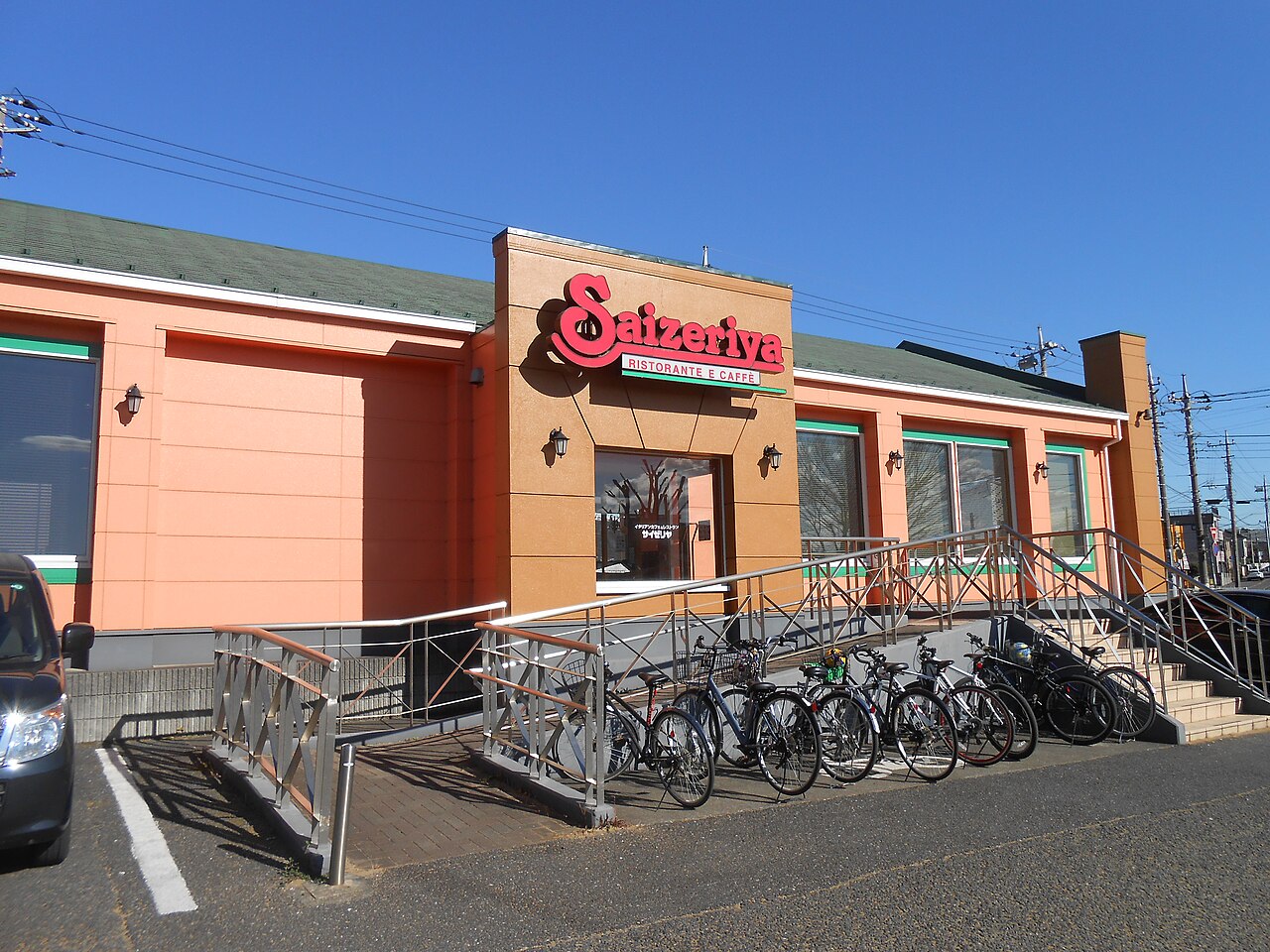
Two familiar Japanese brands illustrate different responses. Uniqlo backed down on its decision to raise basic sock prices after a backlash in October. Restaurant chain Saizeriya proceeded with a 20-yen increase for its Milanese Doria, accompanied by an apology, according to AFP’s reporting, published by CNA on November 8, 2026.
The report does not establish whether Uniqlo customers ever paid higher sock prices, or give a precise date for Saizeriya’s increase. These decisions and AFP’s individual interviews do not measure nationwide attitudes, customer acceptance or profitability. They offer examples of the tension, rather than a verdict on which company chose better.
The useful distinction is between what a business needs to charge to cover its costs and what a customer can accommodate. Higher labour and material costs can leave less from each sale after expenses. Raising the selling price could restore some of that difference—but only if enough customers continue buying.
A customer need not decide that a meal is overpriced to buy it less often. It might remain appealing at its new price while no longer fitting the week’s budget. Buying lunch fewer times, postponing new socks or choosing a cheaper alternative can all reduce spending without a dramatic rejection of any particular business.
That is how pressure can travel between apparently separate purchases. A restaurant competes for household money with the supermarket, even though they sell different things. A clothing retailer can face resistance partly because of bills it has no control over. Its own rising costs do not create extra income for its customers.
AFP’s interviews give that mechanism a human scale. Tokyo office worker Kazuhiko Sato told the agency that higher food prices were changing his shopping choices and prompting him to eat out less. His restaurant spending was being affected by what happened elsewhere in his budget.
For businesses, keeping a familiar price also has consequences. Sachi, a ramen-shop proprietor in the Okayama region identified by her first name, told AFP she was reluctant to raise prices because she felt guilty about asking longstanding customers to pay more. Her account describes a relationship built through repeat visits, alongside the arithmetic of running a shop.
Holding a price steady can protect that relationship, but it does not make an ingredient bill smaller. Without offsetting savings or additional business, the owner absorbs more of the increase. Raising prices asks customers to absorb more instead. The difficult part is that a household may already be making the same calculation across several other bills before it reaches the menu.
Sources:
- AFP: “‘Feeling guilty’: Price hikes a tough sell in Japan despite inflation,” published by CNA, November 8, 2026. Syndicated AFP journalism, including accounts of company decisions and individual interviews. CNA is the publisher; its publication is not independent corroboration of AFP’s reporting.
Sources
Discussion
Kind, curious discussion is welcome. Comments are checked before appearing. Requests to direct the newsroom are discarded.