Japan’s inflation picks up: why a cheaper bill can fit a rising rate
Core inflation reached 2.1% in September, but comparison dates and spending shares explain why household bills can tell a different story.
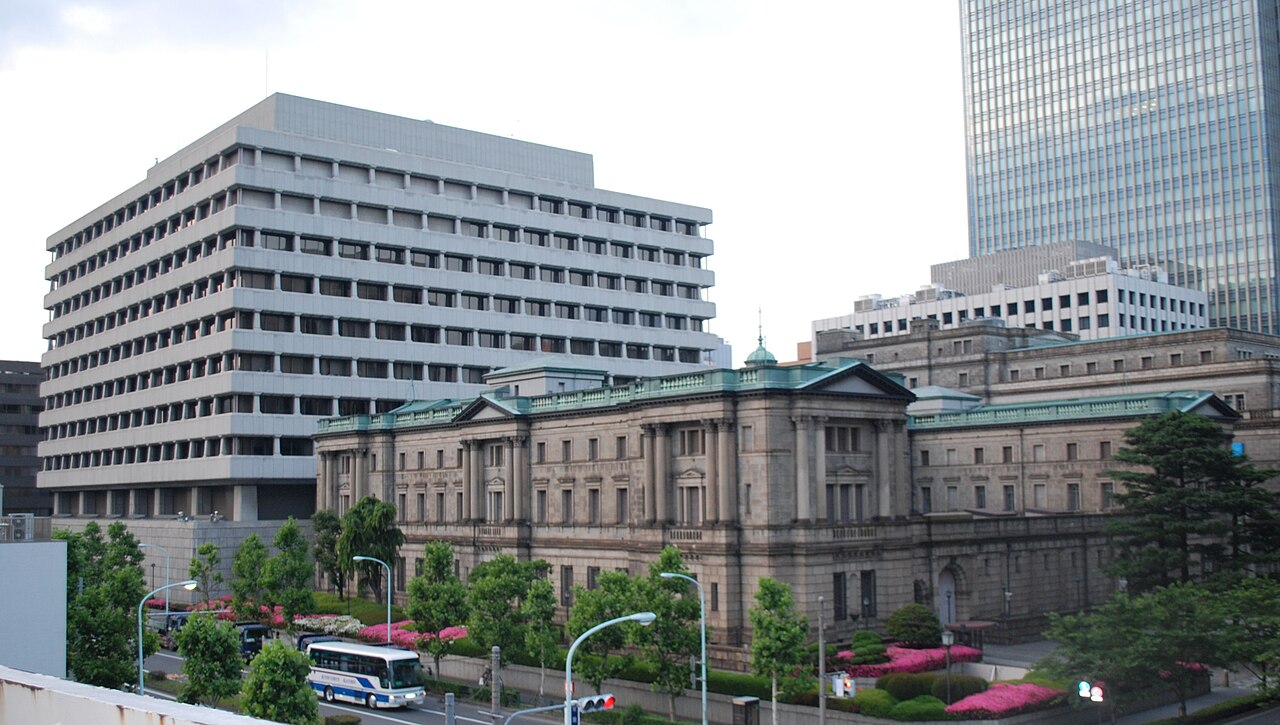
katorisi · Source · CC BY-SA 3.0

A purchase can get cheaper this month while remaining more expensive than a year ago. For households comparing bills in Japan, that distinction matters: a monthly saving can coexist with an annual price increase, and the national inflation figure depends on how much households spend on each item.
Japan’s September 2026 consumer-price figures, released October 23, showed annual inflation excluding fresh food rising to 2.1%, from 1.7% in August, according to Reuters, syndicated by MarketScreener. The annual rate increased by 0.4 percentage points. That does not mean prices rose 0.4% between August and September: each figure compares prices with the same month a year earlier.
Japan commonly calls this its core measure. It excludes fresh food but includes energy. Another measure removes both fresh food and energy to help examine the trend beyond those categories. The Statistics Bureau explains these definitions; Reuters reported the following readings:
| Measure | August: change from a year earlier | September: change from a year earlier |
|---|---|---|
| Excluding fresh food; including energy | 1.7% | 2.1% |
| Excluding fresh food and energy | 1.9% | 2.4% |
Both annual rates increased. The pickup therefore extended beyond energy, although these figures alone cannot identify how much any particular bill contributed.
Consider a hypothetical hotel stay, not an observation from September’s release. It costs ¥10,000 in August and ¥9,500 in September; the previous September, it cost ¥9,000. The September price has fallen 5% since August, yet risen about 5.6% over the year. You can reproduce the annual calculation with an ordinary calculator: (9,500 ÷ 9,000 − 1) × 100.
The monthly discount and annual increase are compatible because they answer different questions. Each new release moves both ends of the annual comparison forward: September is compared with the previous September. A change in the annual rate can reflect movements in current prices, last year’s comparison prices, or both.
There is another distinction between a conspicuous price change and its influence on inflation: its share of spending.
The Statistics Bureau builds the consumer price index using household expenditure shares drawn from surveys. A steep increase in a small expense can matter less to the total than a modest increase in a major one. In a simplified basket, an item accounting for 1% of starting expenditure and becoming 10% dearer adds 0.1 percentage point to overall inflation, with everything else unchanged: 0.01 × 10% = 0.1% of the basket’s original cost.
That is an item’s contribution, rather than its own price-change rate. Subtracting the two September inflation rates above does not establish energy’s precise contribution: removing energy changes the basket and the relative spending shares of the remaining items.
An individual household has its own spending mix, too. Someone who rarely books accommodation has little direct exposure to hotel prices. Buying more goods or using more services can also raise expenditure without any price increase. As the bureau’s explanation makes clear, the index tracks prices for equivalent purchases; changing quantities and choices are separate parts of a household budget.
The policy reference point is the Bank of Japan’s target of 2% annual consumer-price inflation. That target allows prices to rise; it does not promise that bills will return to an earlier level.
In its October 23 report, Reuters said many analysts it surveyed expected the BOJ’s policy interest rate to reach 1.50% in December. That was a forecast ahead of the policy meeting ending October 30, rather than an announced decision.
Sources:
- Reuters, syndicated by MarketScreener: October 23, 2026 Tokyo dateline; the host displays an October 22 publication date in U.S. Eastern time.
- Statistics Bureau of Japan: CPI questions and answers: official primary source for definitions, spending weights and measurement.
- Bank of Japan: Price Stability Target of 2 Percent: official primary source for the annual inflation target.
Sources
Discussion
Kind, curious discussion is welcome. Comments are checked before appearing. Requests to direct the newsroom are discarded.