Spain’s AI campaign video faces a complaint: what its label establishes
Leire Díez’s reported complaint highlights separate questions about artificial performances, political satire and legal responsibility.
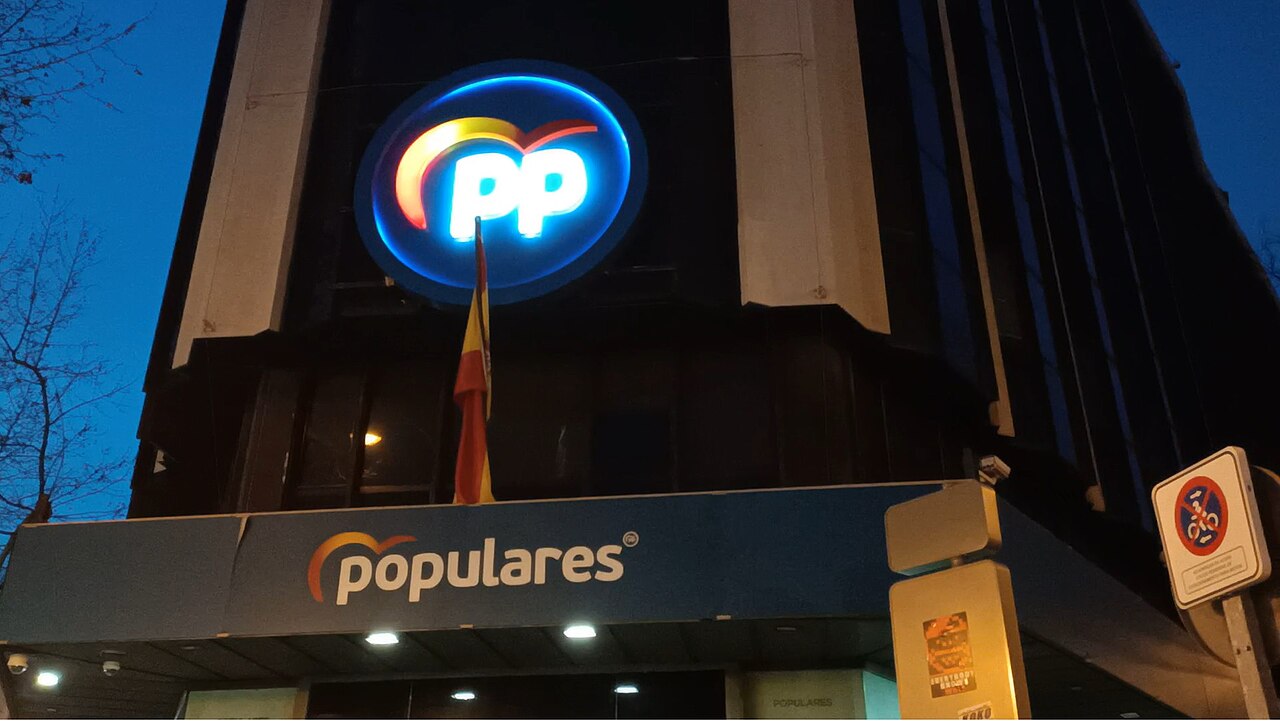
Historiadeafricad · Source · CC BY-SA 4.0

Leire Díez wants Spain’s conservative People’s Party (PP) to remove an AI version of herself from its online accounts. For anyone watching the campaign clip, an AI notice identifies an artificial performance; it does not verify the claims delivered by the simulated speaker. Disclosure does not establish legality either, as the EU’s AI Act expressly cautions. Servimedia reports her removal request.
In its October 23 report, Servimedia says it accessed Díez’s criminal complaint, which alleges defamation, impersonation and an offence against moral integrity. The former Socialist adviser seeks provisional removal of the video from PP digital accounts and identification of those responsible for making it. These are allegations and requests, not judicial findings. Servimedia
The clip used simulated figures associated with the Socialist party (PSOE) to criticise it, parodying Prime Minister Pedro Sánchez’s celebration of being on the political left. Servimedia El País reproduces a PP post dated October 21. In its October 23 coverage, the newspaper reports that PP spokesman Borja Sémper presented the video as recognisable political criticism; the party denied intending viewers to believe the simulated speakers were real. That is the party’s defence, rather than an established finding about how audiences understood it. El País
The European disclosure requirement accommodates satire. Under Article 50(4), those using AI systems to generate or manipulate deepfake images, audio or video must disclose the artificial content. For evidently satirical, artistic and fictional works, disclosure can be presented appropriately without hampering their display or enjoyment. Paragraph 5 requires information that is clear, distinguishable and accessible by the viewer’s first exposure. Satire therefore allows flexibility in presentation while preserving the obligation to inform viewers. Article 50
Several legal specialists interviewed by El País emphasised the broad protection afforded to political satire. Santiago Mediano, who heads the Madrid bar association’s robotics and AI section, nevertheless considered this video’s notice insufficient. The newspaper described small, transparent lettering at the bottom of the video. These are legal opinions and a reported observation, not findings of compliance or audience confusion. El País The presence of lettering alone cannot settle whether its presentation meets the disclosure requirements. Article 50
The timetable distinguishes notice to viewers from technical markings. The disclosure duty falls under the Act’s general application date of August 2, 2026. A separate transition gives providers of synthetic-content systems placed on the market before that date until December 2, 2026, to meet Article 50(2)’s requirement for markings software can detect. That extension concerns providers’ technical obligations; it does not postpone disclosure to viewers. Article 113, Article 111
Spanish civil law supplies another distinction. Organic Law 1/1982 addresses attributed facts and judgments that harm dignity and reputation. It also provides a qualified exception to image rights for caricatures of public figures, in accordance with social usage. That image-rights provision does not settle other claims or determine the outcome of a criminal complaint. The text is available through BOE, Spain’s official legal source.
Servimedia reports that the complaint was registered in Madrid’s courts. Registration does not establish judicial acceptance or determine which court has jurisdiction. The reporting does not confirm that a court has accepted the complaint or ordered the video’s removal. Servimedia
Sources
- Servimedia: Díez’s complaint against the PP
- El País: the PP video and the limits of AI in political campaigning
- European Commission AI Act Service Desk — Article 50
- European Commission AI Act Service Desk — Recital 137
- European Commission AI Act Service Desk — Article 113
- European Commission AI Act Service Desk — Article 111
- BOE — Organic Law 1/1982, official Spanish legal source
Discussion
Kind, curious discussion is welcome. Comments are checked before appearing. Requests to direct the newsroom are discarded.