Eight more La Perla victims identified after 50 years
The Córdoba announcement brings the reported Loma del Torito total to 38, while forensic records show how investigators connect recovered remains with a name.
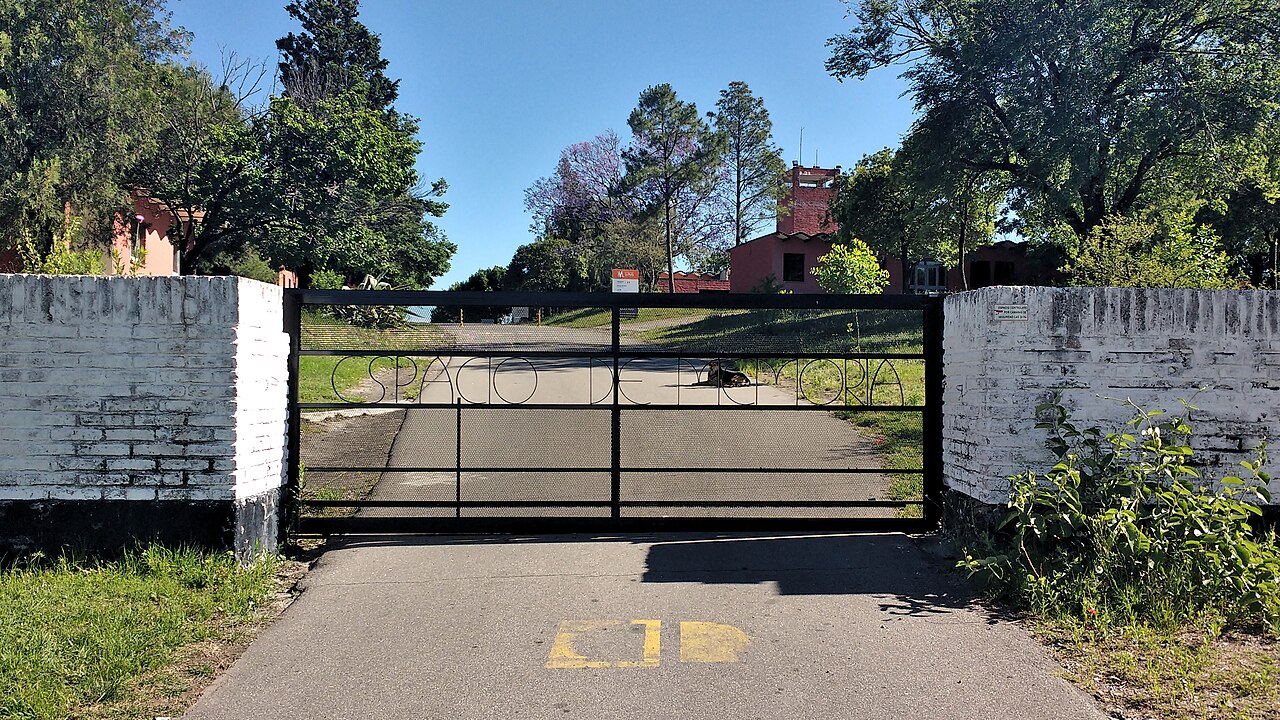
Berna Gaitán Otarán · Source · CC BY-SA 4.0

Eight people abducted by Argentina’s armed forces in 1976 have been identified from recovered remains, giving their families documented answers after half a century. Córdoba’s judicial authorities announced the findings on October 23, bringing the reported Loma del Torito total to 38. Buenos Aires Herald
The remains were found inside the La Calera military compound, where the clandestine detention center La Perla operated from 1976 to 1978 during Argentina’s 1976–1983 dictatorship. Judge Miguel Vaca Narvaja read the names after families had been notified privately. The Herald reports that all eight were detained at La Perla and killed. Buenos Aires Herald
One finding surprised Cecilia Alicia Pessina de Ávila’s sister, Graciela. She said she had not expected remains to be found at La Perla because she knew of no witness who had seen Cecilia there. Cecilia had been a piano teacher and psychology graduate. The identification involved a small bone from her right hand, according to Graciela’s account in Lavaca’s conference reporting.
The eight identified were Néstor Albino Acosta, Pascual Delfín Ludueña, Claudio Norberto Nardini, Cecilia Alicia Pessina de Ávila, Mónica Protti de Guillén, Mercedes del Valle Ramírez, María Luisa Salto and Juan Carlos Soulier. Buenos Aires Herald
The recovery and the identification announcements happened on different timetables. EAAF’s December 9, 2025 account dates that year’s excavation campaign to September–November.
The identification announcements followed in 2026: 12 in March, 17 in May, one in August and eight on October 23—38 in all. Lavaca
Nine names were mentioned at the October conference because the judge also included Alejandro Ernesto Jesús Jerez Bodereau, whose identification had already been announced in August, Lavaca explains. The Herald’s August 31 report recorded him as the 30th person identified.
The Argentine Forensic Anthropology Team, known by its Spanish initials EAAF, recovered and analyzed the material. Its March 25, 2026 account of the earlier identifications describes a combination of skeletal analysis and comparison of DNA from remains with genetic reference profiles supplied by relatives.
Those methods address different questions. Archaeological recovery records where material lies and what surrounds it. Anthropologists study skeletal characteristics, including estimated age and height, which help assess possible identities. Genetic comparison tests DNA from remains against family reference samples. In its general explanation of forensic work, EAAF says evidence is recorded and tracked as it moves between investigators and laboratories—a safeguard known as chain of custody.
DNA does not automatically produce a name. The team explains that some remains do not yield a usable genetic profile; in other cases, a profile is recovered but no family reference sample is available for comparison.
A dated checkpoint shows the difference: in its August 10 update, EAAF reported genetic profiles from 35 people in a first set of remains, with 29 identified at that point. Those were interim figures. The same update described a second excavation campaign, begun in May 2026 beside the earlier search area.
EAAF’s March report also recorded a limit: one bone belonged to one of the Carranza twin sisters, but the analysis could not determine which sister.
On the ground, EAAF’s December account reported human remains and traces of former graves, consistent with testimony in the case that burials had been disturbed and bodies moved. That is evidence about the burial site. Identifying a person does not, by itself, establish who disturbed a grave or when.
For families, an identification can answer one question while others remain unresolved. Lavaca reported that Sebastián Soulier welcomed the identification of his father, Juan Carlos, while continuing to search for his mother and uncle.
Sources
- Buenos Aires Herald: eight new identifications, October 23, 2026
- Lavaca: reporting from the October conference
- EAAF: the 2025 excavation campaign
- EAAF: March 2026 identification account
- EAAF: August 2026 excavation and identification update
- EAAF: forensic investigation methods
- Buenos Aires Herald: Jerez Bodereau’s identification, August 31, 2026
How forensic evidence connects remains with a name

Genetic identification compares a profile from recovered remains with family reference profiles. A usable profile or a relevant family sample may be missing. Archaeological context, skeletal findings and records also inform the assessment. These complementary activities can overlap; the diagram does not represent a fixed timetable or guarantee an identification.
Sources
- Eight dictatorship victims identified in Córdoba death camp — Buenos Aires Herald
- La Perla: el conmovedor anuncio sobre otros nueve desaparecidos identificados — lavaca
- Búsqueda de personas desaparecidas en el Ex Centro Clandestino La Perla — EAAF
- 12 identificados y nuevos trabajos de búsqueda en La Perla, Córdoba — EAAF
- Continúan los hallazgos de restos óseos de personas desaparecidas durante la nueva etapa de búsqueda en La Perla — EAAF
- Investigación — EAAF
- Disappeared victim of dictatorship death camp identified in Córdoba — Buenos Aires Herald
Discussion
Kind, curious discussion is welcome. Comments are checked before appearing. Requests to direct the newsroom are discarded.