Joshua Wong sentenced to 10 years in new Hong Kong security case
A 13-year starting point became a 10-year term after a reduction for plea and mitigation, with only a short overlap with his earlier sentence.
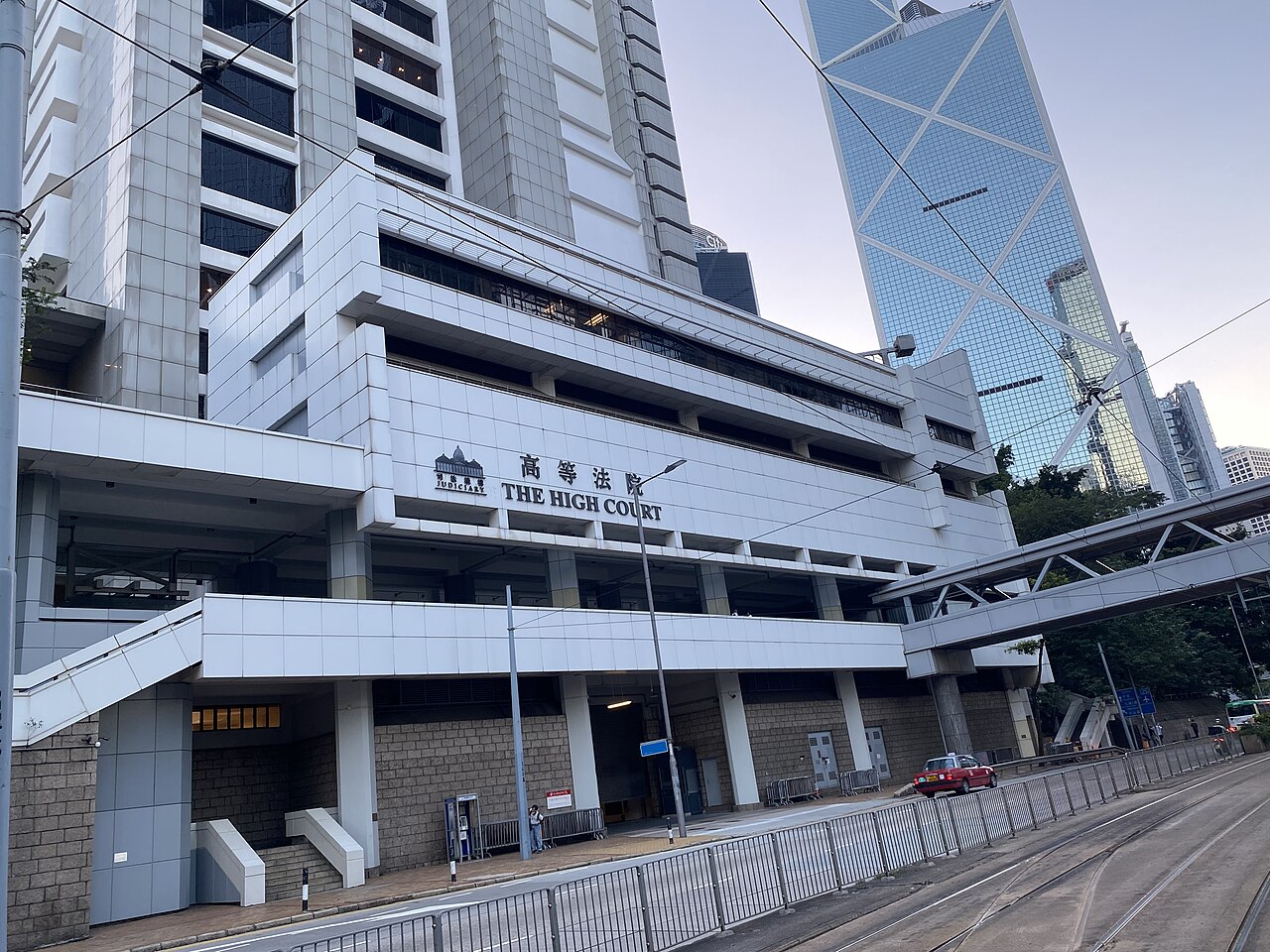
LN9267 · Source · CC BY-SA 4.0

Joshua Wong was approaching the end of a prison sentence when Hong Kong’s High Court imposed a new 10-year term on November 5, 2026. Before the new prosecution, he had been expected to be freed in January 2027, according to Associated Press reporting published that day, syndicated through NPR and republished by WXXI. That earlier expectation no longer describes his situation.
The new sentence includes a reduction and a period overlapping his existing term. Neither means the court ordered his release soon: the reduction determines the length of the new sentence, while the overlap allows only a small remaining portion of the older one to be served alongside it.
Wong pleaded guilty in September to conspiracy to collude with foreign forces to endanger national security under the Beijing-imposed national security law, AP reported. It was his second conviction under the law.
RTHK’s November 5 report sets out the new calculation. Judge William Tam classified the offence as grave and chose a 13-year starting point: the term before reductions. He then deducted three years for the guilty plea and mitigation—circumstances presented in support of leniency—leaving 10 years. RTHK described that result as the statutory minimum for a grave offence.
RTHK is a Hong Kong SAR government department and public service broadcaster, as identified in an official government legislative reply dated April 2, 2025.
According to RTHK’s account of the court’s findings, Wong and associates continued calling for foreign sanctions and hostile measures after the law took effect. The court said overseas allies made those calls while Wong published and supported them from Hong Kong.
The earlier sentence arose from a separate conspiracy-to-commit-subversion case linked to an unofficial primary election. Its calculation can be traced specifically to Wong, identified as defendant D19, in the High Court’s sentencing reasons dated November 19, 2024. The document was authored by the Hong Kong SAR Judiciary’s High Court; Practice Source hosts a reproduction.
In paragraphs 155–161, the judges accepted that Wong was an active participant, selected a seven-year starting point and granted a full one-third reduction for his guilty plea. In months, the calculation is straightforward: 84 − 28 = 56 months, or four years and eight months.
That earlier decision establishes what happened in Wong’s separate case, rather than an automatic discount for the new offence. RTHK reports the new three-year deduction as a combined allowance for plea and mitigation, without assigning an amount to either. The figures therefore cannot reveal how much the plea alone reduced the new sentence. Nor does the broadcaster’s statutory-minimum description, by itself, explain the difference between the two calculations.
AP reported that defence lawyer Derek Chan had asked for a sentence that would leave Wong some hope, saying he wished to care for his parents after release.
Hong Kong’s government stated in an official June 11, 2025 statement that enforcement and prosecution depended on evidence and applicable law rather than political stance. This was its position during proceedings, more than a year before the new sentence, rather than a response to the November 2026 ruling.
RTHK reports that two months and two days of the new term will run concurrently with the existing sentence. During that overlap, one day in prison counts toward both terms. Simply adding 10 years to four years and eight months would count that shared period twice and include time already served. The reported terms and overlap alone do not establish an exact release date.
Sources
- Associated Press reporting, syndicated through NPR and republished by WXXI: Joshua Wong’s November 5, 2026 sentence
- RTHK, a Hong Kong SAR government department and public service broadcaster: November 5, 2026 sentencing report
- Hong Kong SAR Judiciary, High Court: November 19, 2024 sentencing reasons, reproduced by Practice Source
- Official Hong Kong SAR Government statement on Joshua Wong’s case, June 11, 2025
- Official Hong Kong SAR Government legislative reply on RTHK’s functions, April 2, 2025
Discussion
Kind, curious discussion is welcome. Comments are checked before appearing. Requests to direct the newsroom are discarded.