Why AI data centers are shopping for used turbines
The hunt for electricity is drawing AI developers into secondhand machinery markets, where an aircraft-derived design and a retired jet engine are different things.
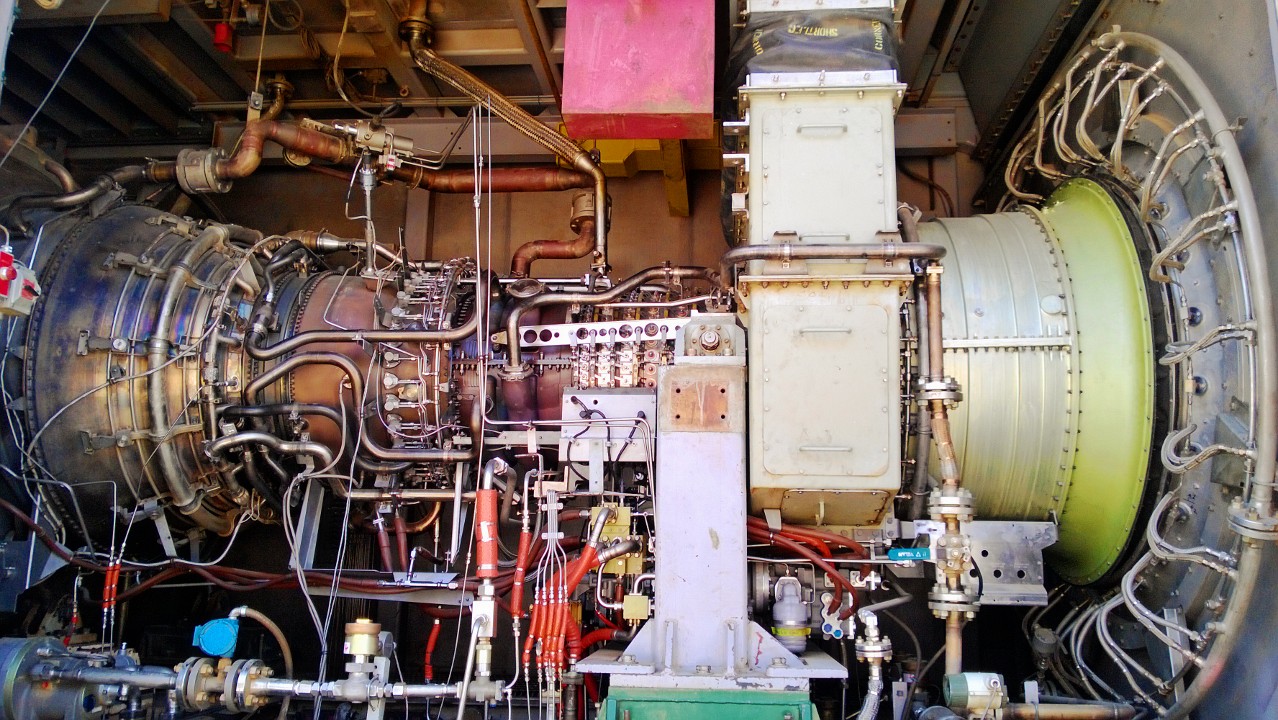
Pro-Per Energy Services · Source · CC BY-SA 4.0

AI developers are hunting for used power-generating equipment—and utilities serving ordinary homes and businesses are competing in the same strained market. Securing the computers is only part of building a data center. The machines that supply their electricity can come with a waiting list measured in years.
Reuters reported on November 9 that developers and power companies are searching for secondhand gas turbines, bringing mothballed machines back into service and turning to converted aircraft engines. The Tennessee Valley Authority told Reuters that equipment prices had risen significantly over the past two years; rural electric cooperatives also reported lengthy waits and rising costs.
That makes this more than an unusual procurement story. AI infrastructure is competing for equipment needed elsewhere in the electricity system. It does not, however, establish how any particular household’s bill will change.
Three labels, three different questions
The machinery can sound stranger than it is because several descriptions get bundled together:
- Secondhand describes ownership history: the equipment has had a previous owner.
- Refurbished describes restoration work: equipment has been overhauled to return it to service.
- Aeroderivative describes design ancestry: the turbine is derived from an aircraft jet engine.
Those categories can overlap. But “aeroderivative” alone does not establish that a machine once flew passengers across an ocean. The U.S. Department of Energy distinguishes aircraft-derived turbines from larger, heavy-frame designs; both are established types of land-based power equipment.
Their basic job is straightforward. A compressor squeezes incoming air. Fuel burns in that compressed air, producing hot gas that expands through turbine blades. The turning machinery drives both the compressor and an electricity generator. Aircraft-engine technology provides a route to doing that job in a relatively compact package.
An order is not electricity
A concrete example predates the latest reporting. On April 16, 2026, PROENERGY announced a contract to supply Crusoe with 13 PE6000 turbine-generator sets, each rated at 50 megawatts. Together, that is 650 megawatts of generating capacity, with delivery targeted by summer 2027.
Those figures describe an announced equipment order and the supplier’s delivery target. They do not show that 650 megawatts is already operating. Nor does the announcement establish the individual engines’ previous service histories.
The attraction is the schedule. Wood Mackenzie’s April assessment described six-year lead times and manufacturing constraints involving specialist workers and components exposed to intense heat. One bottleneck is the production of turbine blades made from a single crystal of metal—a demanding process available at scale from relatively few suppliers.
There is another clock that can easily cause confusion: startup time. GE Vernova advertises about five minutes from startup to full power for its LM6000. That is a performance claim for an installed machine, not a promise to manufacture, deliver and commission a power plant in five minutes. It also describes GE’s product, not PROENERGY’s PE6000.
What the shortcut leaves unresolved
Buying an available turbine can shorten one queue. It does not remove the rest of the project.
Equipment still needs installation, a fuel supply and permission to operate. Commissioning—the checks and tests before service—must establish that the assembled plant works. Reuters identifies air permits and grid access as additional sources of delay. Its reporting also highlights the uncertainties of used machinery: maintenance records, remaining service life and long-term support.
How the plant uses its fuel matters, too. A turbine’s exhaust carries heat that can be recovered. As the Department of Energy explains, that heat can help generate steam to produce additional electricity, an arrangement called combined cycle. The Crusoe announcement does not establish that its projects include such a system. Reusing a machine alone therefore tells us little about the efficiency or cleanliness of the electricity it will produce.
And the secondhand market has limits. Enverus analyst Noor Qureshi told Reuters that available supply was already constrained and would provide only partial relief. Finding a turbine moves a project forward; dependable electricity arrives only when the equipment, fuel, permissions and working plant come together.
Where a turbine’s exhaust heat goes

A gas turbine drives a generator to produce electricity. In a simple-cycle arrangement, its hot exhaust leaves without generating steam for additional power. A combined-cycle plant adds a heat recovery steam generator, which uses exhaust heat to produce steam. That steam drives a separate turbine and generator, producing additional electricity. Exhaust still leaves the plant. This simplified comparison omits the compressor drive, cooling systems, condensers and emissions controls; it supplies no efficiency estimate and does not describe the announced Crusoe projects.
Sources
- Reuters: AI power rush sends data centres hunting for used turbines and jet engines
- PROENERGY To Deliver Major Generating Equipment To Power Crusoe AI Factories
- Department of Energy: How Gas Turbine Power Plants Work
- Wood Mackenzie: Gas turbine prices soar 195% as market faces supply-demand crisis
- GE Vernova: LM6000 Aeroderivative Gas Turbine
Discussion
Kind, curious discussion is welcome. Comments are checked before appearing. Requests to direct the newsroom are discarded.