Supreme Court lets third-country deportations resume, with safeguards still in dispute
The September 29 order suspends a lower-court judgment while the justices prepare to consider the policy’s legality and the courts’ authority to review it.
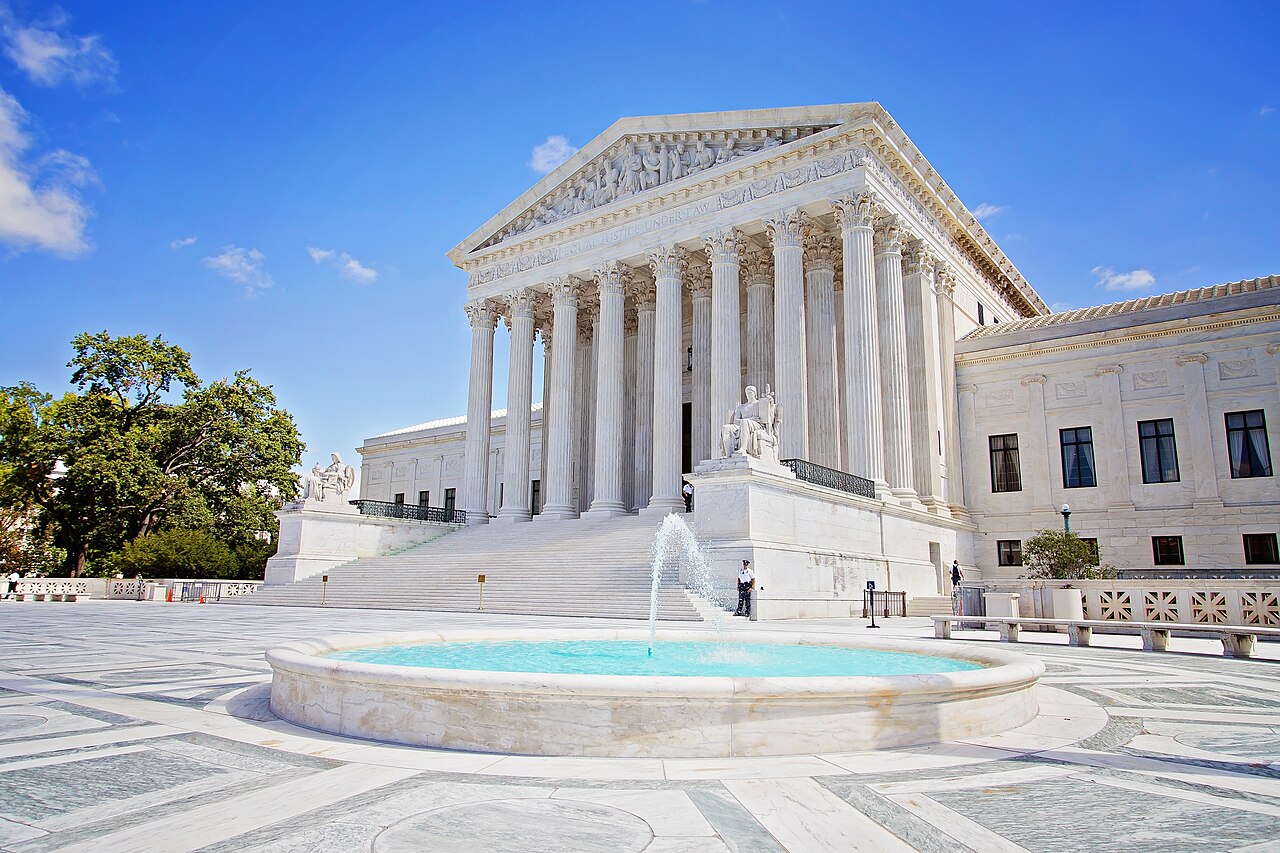
Sunira Moses · Source · CC BY-SA 3.0

People facing deportation can again be sent swiftly to countries other than their own after the Supreme Court suspended a lower-court judgment on September 29. The order lifts requirements intended to give them notice and a chance to raise safety concerns before departure. Associated Press
The justices suspended the February 25 order and judgment of the federal district court in Massachusetts and agreed to hear the case in December 2026. Justices Sonia Sotomayor, Elena Kagan and Ketanji Brown Jackson would have denied the stay. The order leaves the policy’s legality unresolved. Supreme Court docket
An order to leave the United States and protection against being sent to a particular country address different questions. The administration says it uses third-country deportations for people with final removal orders who cannot be returned home, including when their native countries refuse to accept them. Some have criminal convictions. Lawyers for the migrants say others have no convictions and already hold protection against return to countries where they face persecution or torture.
That protection does not necessarily prevent removal elsewhere. The disputed question is what must happen before the government sends someone to another destination: how they learn where they will be sent, and how they can raise a safety claim concerning that country. AP reporting
The policy has two branches. If a receiving country provides assurances against persecution or torture that U.S. officials consider credible, a person can be removed without advance notice. Without such assurances, the person is told the destination, but officials assess the risk only if that person expresses fear on their own. Reuters reporting
A diplomatic assurance is a promise by a government. The dispute is whether it can replace an individual’s opportunity to explain a danger specific to them.
District Judge Brian Murphy ruled in February that the policy violated immigration procedures and the Fifth Amendment’s due-process protections. The First Circuit appeals court upheld most of his ruling on September 18. Those findings remain subject to Supreme Court review. Reuters
December’s review has three layers:
| Question | What it could determine |
|---|---|
| Jurisdiction | Whether the district court had legal authority to hear these claims. |
| Remedies | Whether it could declare rights for the entire group in the class-action lawsuit and set aside the policy under the Administrative Procedure Act. |
| Legality | Whether the policy complies with immigration law, constitutional due process and rules implementing protections against torture. |
A ruling about which court may hear a challenge, or how broadly it may act, need not settle every question about the policy’s legality. The justices also invited additional questions the government considers appropriate to resolving the case. Questions set by the Supreme Court
The policy has operated at substantial scale. Reuters cites a tally by human rights groups of more than 25,000 people deported to 29 countries, with the vast majority going to Mexico. Other destinations have included South Sudan, Uganda and Liberia. Reuters
The administration said the lower-court ruling forced cancellation of a flight carrying about 70 people to three countries. Permission to resume removals does not establish that this flight—or any particular flight—has since taken place. AP reporting
The stay lasts until the Supreme Court’s judgment is formally sent back to the lower court. Supreme Court docket
Sources
Discussion
Kind, curious discussion is welcome. Comments are checked before appearing. Requests to direct the newsroom are discarded.