Alberta’s Question 10: what the ballot asked and what separation would require
The nonbinding question concerned a process toward another referendum; lawful separation would still require constitutional change and negotiations.
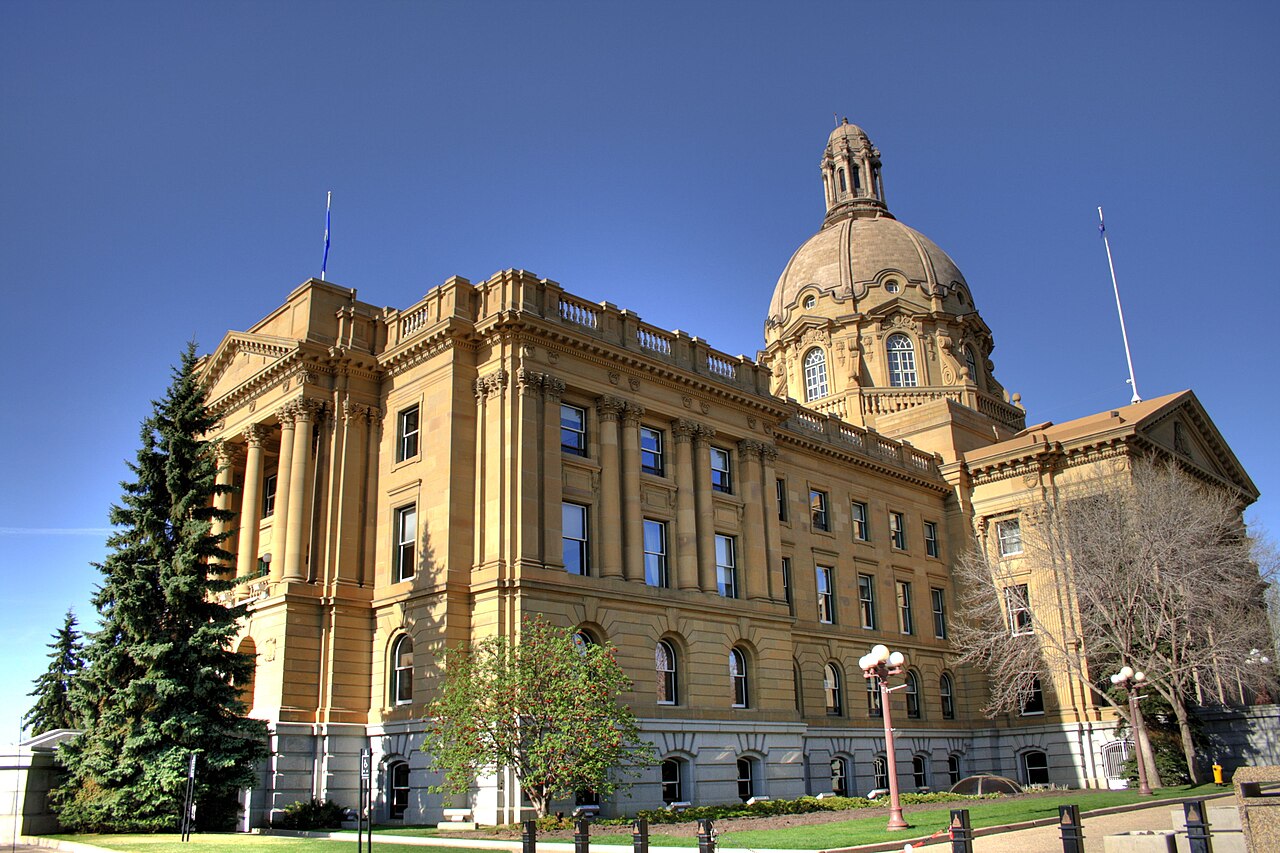
WinterforceMediaWinterE229 · Source · Public domain

For Alberta residents, Question 10 could not itself change which country their province belongs to. It offered a choice between remaining in Canada and beginning a process toward another referendum. Although the word “binding” appeared in the question, Elections Alberta explicitly identifies Question 10’s own result as nonbinding. Elections Alberta’s ballot guide sets out that distinction.
Elections Alberta scheduled the ten-question referendum for October 19, 2026, with each question on a separate ballot. Question 10’s second option asked the provincial government to start the legal process required under the Constitution to hold a future referendum on separation. The order establishing Question 10, O.C. 160/2026, specified its nonbinding status. The official wording describes the possible later referendum as binding.
The action being requested matters. Supporting a process toward another referendum cannot automatically be counted as supporting independence: someone can favor holding a vote without committing to either answer. Equally, this question cannot establish how people would vote on a different question in a later campaign. Its meaning comes from the two choices actually offered.
Even a future majority for independence would not itself achieve lawful separation. The Clarity Act gives the House of Commons responsibility for assessing whether a secession question is clear and whether a result expresses a clear majority’s will to leave. It sets no fixed numerical threshold; the majority’s size, turnout and other relevant circumstances must be considered.
The Act distinguishes directly asking about independence from merely seeking permission to negotiate. The federal government cannot negotiate secession terms if the Commons determines the question is unclear, or unless it determines there is a clear majority’s will to secede. Sections 1–2 establish those requirements for federal participation.
Lawful separation would require a constitutional amendment and negotiations involving at least Canada’s government and every provincial government. Before a federal minister could propose that amendment, negotiations must address relevant terms, including the division of assets and liabilities, possible border changes, Indigenous peoples’ rights, interests and territorial claims, and minority protections. Section 3 puts those obligations beyond the ballot tally alone.
Reading the results also requires keeping ballots separate from people. The Elections Alberta dashboard labels its summary as valid votes across ten questions. That total combines answers on different issues, rather than counting individual voters. It cannot be used as a turnout figure: one person answering several questions contributes several votes to that combined total.
The percentage of locations reporting measures something else again. A location counts as reported once it has submitted at least one question. Even 100% reporting means every location has started submitting results, without necessarily having finished every question. The dashboard’s explanation makes that limit explicit.
For illustration, every location could submit Question 10 while still counting other questions, and all locations could then appear as reporting. That is a hypothetical example of how the indicator works, rather than an account of the actual count. The indicator records reporting activity at locations; completion must be assessed question by question.
Sources
Discussion
Kind, curious discussion is welcome. Comments are checked before appearing. Requests to direct the newsroom are discarded.