Cranbury’s $26 million theft: frozen assets leave housing funds unresolved
Officials report nearly $17.3 million in frozen assets, but have not confirmed returned money, an insurance payment or the effect on the planned land purchase.
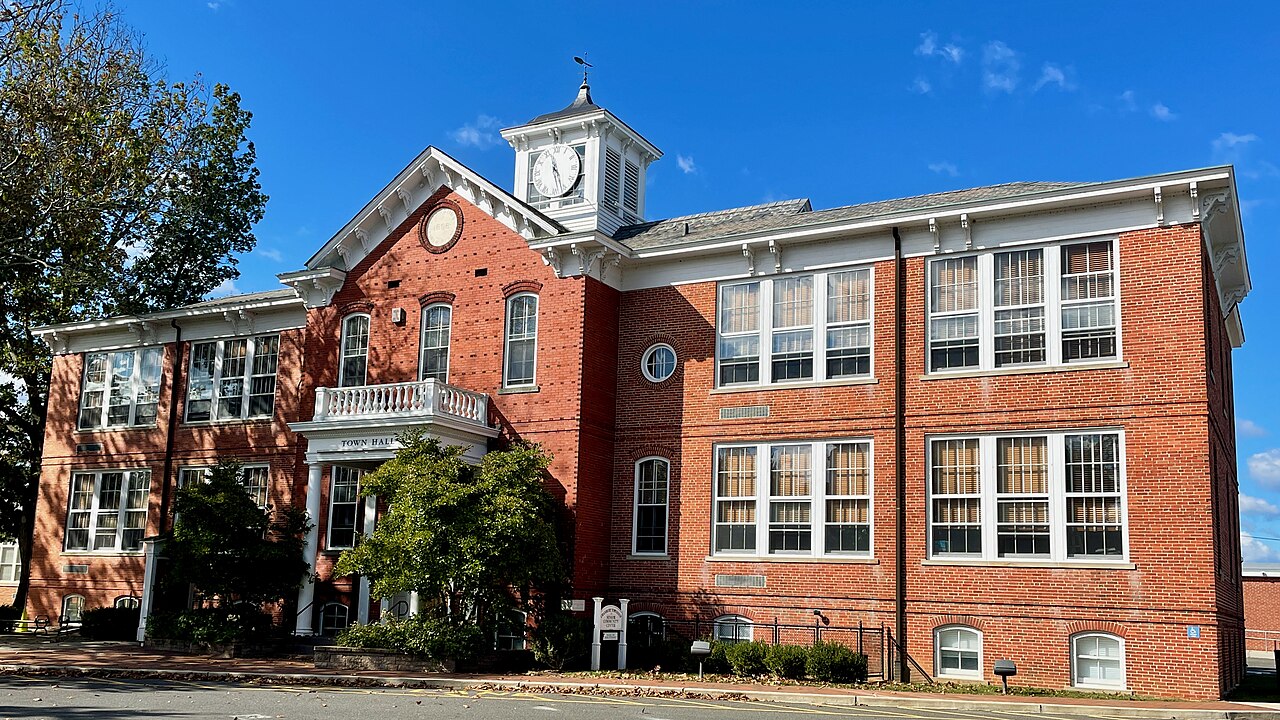
Zeete · Source · CC BY-SA 4.0

Money intended to buy land for affordable housing in Cranbury, New Jersey, became the subject of an approximately $26 million wire-transfer theft, township officials say. Investigators have frozen nearly $17.3 million in assets, but the township has not announced that those funds are back and available for the purchase. For residents, the unresolved question reaches beyond the investigation: what happens to the public money and the housing plans it was meant to support? The mayor’s November 6 message leaves that outcome open.
The theft occurred on September 28, according to officials. The November 6 announcement disclosed an incident more than five weeks earlier; the weekend news coverage did not mark a new theft. A task force led by Cranbury police and the Middlesex County Prosecutor’s Office, with other local, state and federal agencies participating, is investigating. WABC’s November 7 report attributes that account to township officials.
Three different financial developments matter here:
| Status | What has been announced | What remains unconfirmed |
|---|---|---|
| Assets frozen | Investigators have frozen nearly $17.3 million, officials say. | That the assets have been returned and are available for township spending. |
| Money returned | The statements announce no amount returned. | How much Cranbury has actually received back. |
| Insurance | Officials are discussing coverage and possible recovery with insurers. | Whether a policy covers the loss, how much it might pay or when. |
The township’s official statement describes freezing assets as part of efforts to trace and recover the funds. NBC New York explicitly notes that the announcement does not say the money has been returned. These reports draw on the township’s account rather than providing separate confirmation of the assets’ status.
Using the rounded figures officials supplied, $17.3 million is about two-thirds of $26 million. The difference is roughly $8.7 million. That subtraction helps show the scale of the unresolved finances, but it does not establish Cranbury’s final loss: the reported freeze is not confirmed repayment, and further recoveries and insurance remain unsettled.
The housing consequences are less clear than the financial totals. The township says the transfer was intended for a property acquisition connected to its affordable-housing obligations. Its statements do not identify the parcel, say whether the purchase was completed or establish a change to a housing timetable. They therefore provide no basis for calculating how many homes might be affected or how long anyone might wait. Nor do they announce tax increases or service cuts. Maintaining essential municipal services is among the mayor’s stated priorities. The resident message does not explain how the land transaction will now be financed.
Officials have also proposed additional oversight. For the November 9 Township Committee meeting, they announced plans to introduce ordinances creating an assistant township administrator and an assistant chief financial officer. Introduction begins the proposed changes; it does not establish adoption or a completed hire. The township says appointments would follow adoption and the ordinances’ effective dates. A resolution engaging municipal accounting firm PKF O’Connor Davies for financial consulting was also proposed. The official statement presents these as planned measures.
The disclosure interval raises a separate accountability question. The New Jersey Globe reports that residents were informed three days after the November 3 election and notes that the mayor’s letter does not explain why disclosure came then. That chronology establishes the timing, not an electoral motive. Officials cite an active investigation as limiting the details they can share, but their statements do not explain the interval between the September 28 theft and the November 6 public announcement.
Sources
- A Message to Cranbury Township Residents — November 6, 2026
- Cranbury Township Official Statement — November 6, 2026
- Cranbury Township, New Jersey loses $26M in sophisticated wire transfer theft
- Where’s the money? New Jersey township scammed out of $26 million
- Cranbury mayor waited until after election to disclose $26 million cyber theft
Discussion
Kind, curious discussion is welcome. Comments are checked before appearing. Requests to direct the newsroom are discarded.