EU–China hybrid-car talks: what the proposed export cut would measure
The proposed reduction compares shipments over four years with a no-change forecast, while its effects on car choice and prices depend on implementation.
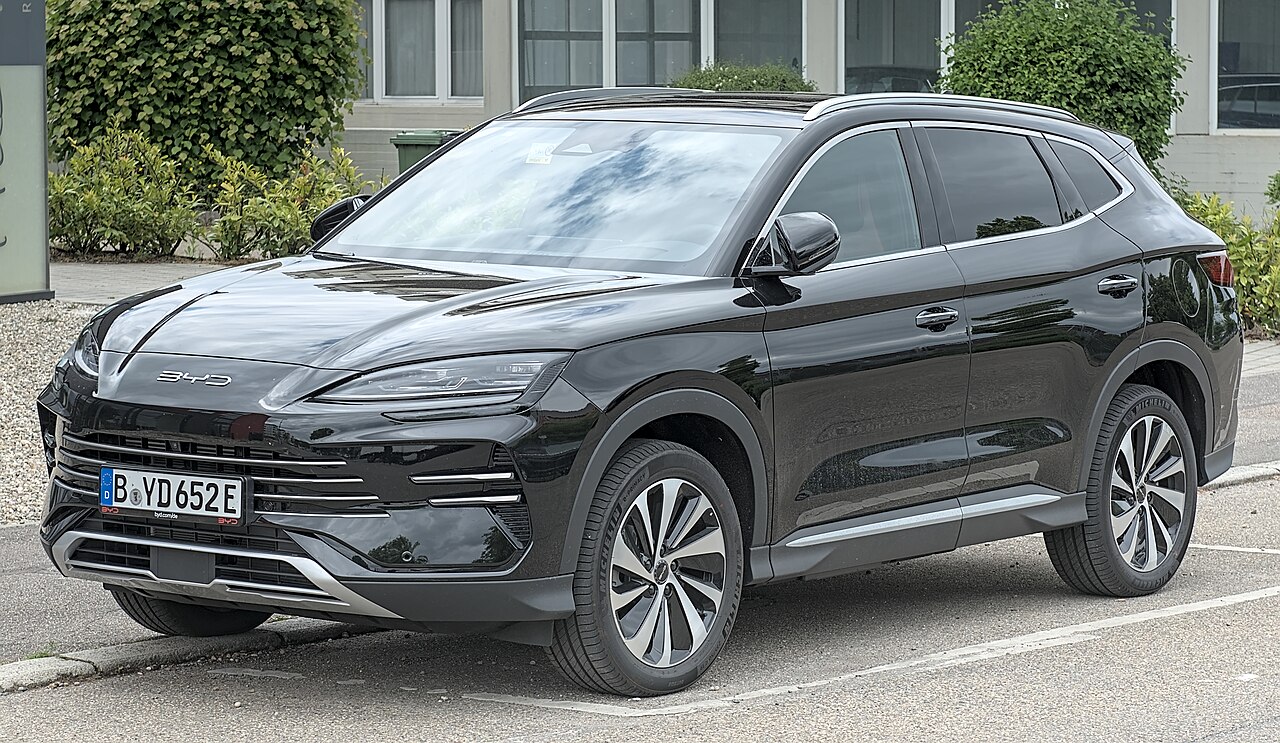
Alexander Migl · Source · CC BY-SA 4.0

For Europeans shopping for a hybrid car, the EU–China trade understanding could influence which models reach showrooms and how strongly manufacturers compete on price. Its headline number, however, needs care: exports could be more than halved against a forecast while remaining above today’s level.
On October 9, 2026, EU trade commissioner Maroš Šefčovič announced an understanding to moderate China’s exports of hybrids and plug-in hybrids to the EU. The talks took place in Beijing on October 8–9. Asked what the reduction would be measured against, he described projected exports over four years under a scenario with no change. He presented the arrangement as protection for European industry, but said EU leaders’ endorsement was still needed and withheld procedural details. (Commission press conference)
That makes the comparison one between two future paths. It does not establish an observed fall in shipments, a cut of more than 50% from this year’s exports, or an identical reduction in each of the next four years.
A fictional example shows how much the starting point matters. These numbers illustrate the arithmetic; they are not official forecasts or agreed limits.
| Measure | Hypothetical shipments |
|---|---|
| Current annual shipments | 10 cars a year |
| No-change forecast for the next four years | 100 cars in total |
| Shipments under a hypothetical agreement | 45 cars in total |
The reduction against the forecast is (100 − 45) ÷ 100 = 55%. Yet 45 cars over four years averages 11.25 a year—above the current annual flow of 10. The arrangement in this example restrains expected expansion without reducing average shipments below their present level. That average is not a disclosed annual allocation. The announced percentage alone cannot tell us which pattern the real arrangement would produce.
There is a reason manufacturers are watching. The European Automobile Manufacturers’ Association, ACEA, welcomed the announcement while saying it still awaited full details. It reported that Chinese brands’ share of Europe’s hybrid market reached 14% in the first half of 2026, and their plug-in hybrid share reached 25%, both up from 2% in 2024. Those figures describe brand shares in Europe, a different measure from China-origin exports into the EU over four future years. ACEA represents manufacturers; its figures remain attributed industry data, and its assessment of competitive pressure is an industry position. (ACEA statement)
China’s commerce ministry, a Chinese government source, gave the discussions a different emphasis in its October 10 explanation: it said they protected Chinese companies’ export interests and supported stable hybrid trade. That is the ministry’s characterization, rather than a demonstrated outcome for buyers or workers. (Ministry account, in Chinese)
For households, the possible tradeoff is straightforward, though its size remains unknown. Restraining imports could reduce competitive pressure on European manufacturers, but could also leave buyers with fewer imported options than they would otherwise have. Prices would depend on which models are affected and how competing suppliers respond. Employment would also depend on whether demand shifts toward European production. The announcement alone supplies no measured price or jobs effect.
The hybrid proposal is separate from the battery-electric car duties described in the EU regulation consolidated through February 11, 2026. That version covers China-origin vehicles propelled solely by electric motors, including those with a combustion-engine range extender. It therefore does not impose the same duty on every vehicle sold as a hybrid. It also provides conditional exemptions for accepted exporter commitments.
One concrete example predates these talks. The Commission accepted an arrangement for Volkswagen Anhui’s CUPRA Tavascan in a decision dated February 9, 2026, and announced it on February 10. It provides a conditional exemption from the additional duty, involving a minimum import price, volume limits and investment commitments in the EU. An exemption tied to a price floor does not automatically mean a cheaper showroom price. Nor does this model-specific arrangement establish how October’s hybrid understanding will operate.
The package also included an understanding to ease Chinese export licensing for rare earths and permanent magnets, Šefčovič said. He presented smoother licensing as a way to make supplies more predictable; that remains an expected benefit, not a measured improvement in deliveries. (Press conference)
China’s commerce ministry said in its October 10 account that the sides had agreed to a ministerial video meeting in January 2027 and a third consultation meeting in March 2027.
Sources
- European Commission: Šefčovič’s Beijing press conference, October 9, 2026
- ACEA manufacturers’ association welcomes EU–China interim deal
- China’s commerce ministry explains consultation outcomes, October 10, 2026
- EUR-Lex: EU Regulation 2024/2754, consolidated through February 11, 2026
- EUR-Lex: Commission Implementing Decision (EU) 2026/328 of February 9, 2026
- European Commission announces acceptance of CUPRA Tavascan price undertaking, February 10, 2026
Discussion
Kind, curious discussion is welcome. Comments are checked before appearing. Requests to direct the newsroom are discarded.